Cedar, composite, and pressure-treated options
We help you choose the surface and structure based on budget, maintenance, and how heavily the deck will actually be used.

Deck Services
Open-air backyard deck building for Everett and Snohomish County homeowners who want a practical outdoor space — somewhere to eat, sit, host guests, or just spend time outside without the backyard feeling unfinished.
We help you choose the surface and structure based on budget, maintenance, and how heavily the deck will actually be used.
Deck size, stair placement, and furniture zones are figured out from the way your household lives, not from a stock footprint.
You get a real visit, a written estimate, and a practical conversation about the yard before any decisions are made.
About the Service
A lot of Everett backyards have the same problem. There's grass, maybe some landscaping, a sliding door or back door off the house — and nothing in between that makes the yard feel like a place to be. You walk outside, stand on the grass, and then walk back in. Nobody sets up a dining table on a lawn.
A deck fixes that. It creates a defined surface at a comfortable height, gives furniture somewhere stable to sit, and makes the transition from inside the house to outside feel intentional rather than awkward. It turns the backyard from something you look at through the window into something you actually use.
We build outdoor decks across Everett and Snohomish County for homeowners in that situation — people who have an underused backyard and want to change that without overcomplicating the project.
Layout and Planning
The most common mistake on an outdoor deck project is building the wrong size. A deck that's too small doesn't have room for the furniture you actually want on it. A deck that's too large costs more than it needs to and can feel out of scale with the house. Getting the dimensions right matters, and it starts with understanding how the space will actually be used.
Materials
Outdoor decks in the Everett area deal with consistent rain exposure from fall through spring. The material you choose affects how the deck looks, how much maintenance it needs, and how it performs over time in a wet climate. Here's an honest comparison:
Cedar
Cedar is the most popular choice for outdoor decks in Snohomish County. It has natural warmth, handles Pacific Northwest moisture well when properly installed, and gives the backyard a look that fits most Northwest home styles. It needs sealing or staining every two to three years to hold its appearance — left untreated, it grays out naturally, which some homeowners like and others don't.
For a first deck or a backyard that sees moderate use, cedar is a reliable, well-understood choice. We use Western red cedar for decking boards — it performs better in wet conditions than other cedar species without chemical treatment.
Composite
Composite decking costs more upfront and requires almost no maintenance. No sealing, no staining, no annual schedule to keep track of. For a heavily used backyard deck — kids, pets, outdoor dining multiple times a week — composite takes the daily wear without showing it the way cedar can. It also holds its color consistently over years of Pacific Northwest rain.
The trade-off is that composite feels different underfoot than wood and has a more manufactured appearance. Some homeowners prefer it; others want the look and feel of natural wood. We bring samples to the estimate visit so you can see and feel the difference in your actual yard.
Pressure-Treated Lumber
Pressure-treated boards are a cost-effective surface option for homeowners who want a straightforward outdoor deck at a lower material cost. They take paint and stain well, perform reliably outdoors, and last a long time when installed correctly. The fresh green tint fades as the lumber dries, and first finishing should wait a season for the wood to acclimate.
Pressure-treated lumber is always used for structural framing — joists, beams, posts — regardless of which surface material you choose. It handles ground exposure and moisture contact the way the surface boards handle rain above.
Honest Expectations
Outdoor decks in the Everett area hold up well when built and maintained properly. A few things are worth knowing going in:
Rain and surface water — a well-built outdoor deck drains correctly. Board spacing allows water to run through rather than pool on the surface. Post footings sit above grade so posts don't sit in standing water. Proper framing height gives airflow under the deck to prevent moisture from getting trapped underneath. These aren't complicated details — they're the difference between a deck that ages well and one that starts showing problems within a few years.
Mold and mildew — decks in shaded Everett backyards, particularly under mature trees or on north-facing exposures, can develop surface mold during the wet season. This is normal for wood in a wet climate and cleans off easily with a deck wash or light pressure rinse in spring. It's not a structural problem — it's a surface maintenance reality worth knowing about before the deck is built.
Seasonal movement — wood decks expand and contract with seasonal moisture changes. This is why board spacing and proper fastening matter at installation. A deck built with correct spacing and corrosion-resistant fasteners handles this movement without cupping, buckling, or pulling at the fasteners over time.
None of this is alarming — it's the honest picture of what outdoor wood construction looks like in a Pacific Northwest climate. We build with these conditions in mind from the start.
Our Process
We come to your property in Everett or the surrounding area, walk the backyard, and talk through what you want. How big, how it connects to the house, where the stairs go, what furniture you're planning for — all of it informs a layout recommendation that fits your yard rather than a default size pulled from a template.
We also look at the practical details: slope, drainage, how close the deck will sit to the soil, where the ledger attaches to the house. These affect both how the deck is framed and what it will cost.
After the visit we put together a written estimate with scope, materials, and timeline. We walk through the cedar vs. composite vs. pressure-treated decision in the context of your specific situation — budget, maintenance preference, how much use the deck will get — not as a general overview that applies to everyone.
If the project requires a building permit, we let you know upfront and handle the application as part of the project scope.
Once you approve the estimate we lock in the schedule, confirm material orders, and give you a clear start date. We don't give you an optimistic date that depends on everything going perfectly. If there's a wait on materials or a full schedule coming up, we say so.
The crew shows up when we said we would. We set footings to the correct depth for the soil conditions in your area, build the pressure-treated frame with proper joist spacing and drainage clearance, and install the surface boards with correct spacing and corrosion-resistant fasteners.
We keep the job site organized throughout — tools stored properly, lumber stacked cleanly, your yard accessible during the build.
When the deck is done we walk it with you. We check boards, railings, stair treads, post bases, and the connection at the house. If anything needs adjustment before we leave, we handle it. We clean the site completely and talk through what the deck needs from you going forward — sealing schedule for cedar, or basically nothing for composite.
Local Experience
We build outdoor decks throughout Everett and the surrounding Snohomish County communities — Marysville, Snohomish, Mill Creek, Mukilteo, Lynnwood, and Edmonds. We also work regularly in Bothell, Kenmore, Shoreline, Kirkland, Redmond, and Bellevue.
Working consistently in this area means we know what outdoor decks deal with here specifically. The neighborhoods near the Port of Everett see more wind than inland areas in Snohomish or Monroe. Mature tree coverage in Mill Creek or Bothell keeps backyards shadier and damper through winter. Properties on sloped lots in Kenmore or Kirkland sometimes need more attention to stair layout and drainage under the deck frame.
We're also familiar with permit requirements across different jurisdictions in Snohomish County. City of Everett, Marysville, Mukilteo, and unincorporated Snohomish County each have their own process for attached deck permits. Knowing those processes means the permit step doesn't slow the project down unexpectedly.
Why Choose Us
We're a focused operation. Decks, fences, and outdoor structures are what we build — not a long list of general services with outdoor decks somewhere in the middle. That focus means we've worked through the situations that come up on these projects: difficult ledger attachments, sloped yards that need custom stair layouts, drainage issues at the framing stage, railings that need to meet code height without looking overbuilt.
The crew that gives you the estimate is the same crew that builds the project. The layout discussion and material decisions from the planning visit carry through to installation because the same people are doing both.
What homeowners tend to mention after working with us
We're also straightforward about cost and maintenance. If your situation calls for a different approach than what you had in mind, we say so during the estimate rather than after the work is underway.
FAQ
It depends on how you plan to use it. A dining table for four needs roughly 12 by 12 feet of usable surface — more if you want room to pull chairs out and walk around the table. A lounge area with two chairs and a side table works in a smaller footprint. If you want both a dining area and a lounge zone, you're looking at 16 by 20 feet or larger to keep both areas comfortable. We talk through how you plan to use the space during the estimate visit and size the layout around that conversation rather than a standard number that may or may not fit your actual backyard routine.
Most attached outdoor decks in Everett above a certain height require a building permit. Freestanding decks close to grade sometimes don't, depending on dimensions. The threshold varies by project type and jurisdiction. We assess permit requirements during the estimate and handle the application as part of the project.
Both perform well in Everett's climate when installed correctly. Cedar has natural warmth and needs sealing every two to three years. Composite costs more upfront, requires almost no maintenance, and holds its color through years of Pacific Northwest rain. The right choice depends on your maintenance preference and budget. If you're not sure, we bring samples to the estimate visit so you can see and feel the difference in your actual yard — it's a much easier decision to make with the real material in hand.
Most standard outdoor decks in Everett take one to two weeks to build once permits are in place and materials are confirmed. Larger builds, complex stair layouts, or sites with difficult access may take a bit longer. We give you a realistic timeline during the estimate — not an optimistic one built on things going perfectly.
For cedar: an annual spring cleaning and sealer or stain every two to three years. Shaded decks may need closer attention for surface mold, which cleans off easily with a deck wash. For composite: an occasional rinse is about all it needs. For both: check post bases and any areas close to soil after the first few winters to confirm water isn't pooling where it shouldn't.
Yes. Sloped yards require more attention to footing depth, stair layout, and framing height, but we build outdoor decks on sloped Everett-area properties regularly. The estimate visit is especially useful on sloped sites — we look at the grade, discuss how the deck and stairs can be laid out, and give you a clear picture of what the project involves before you commit. If your yard has a significant slope or unusual dimensions, our custom deck page covers those situations in more detail.
Size, materials, site conditions, stair layout, and railing additions all affect the number. A straightforward cedar deck on a flat yard costs less than a composite build on a sloped lot with a wide stair. The most accurate estimate comes from seeing the property — the on-site visit is free and there's no obligation attached to it.
If you're ready to do something with your backyard, the first step is a free on-site visit. We come to your property, walk the yard, talk through what you want the space to do, and put together a clear written estimate with layout options, materials, and a realistic timeline.
No phone guesses. No pressure to commit on the spot.
Call (425) 645-9799 or fill out the estimate request form and we'll get back to you within one business day.
We serve Everett, Marysville, Snohomish, Mill Creek, Mukilteo, Lynnwood, Edmonds, Bothell, Kenmore, Shoreline, Kirkland, Redmond, Bellevue, and surrounding Snohomish County communities.
Recent Projects
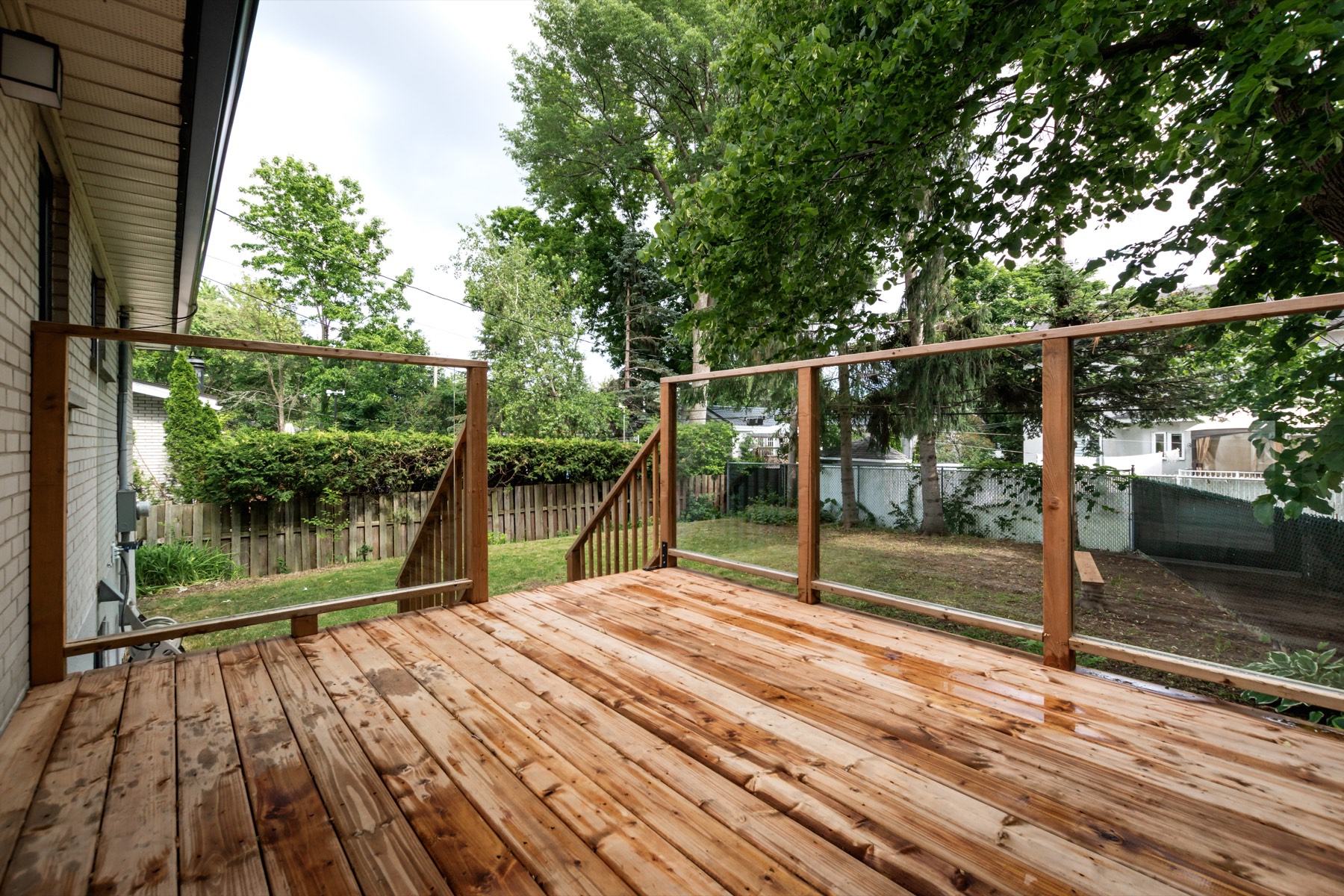
Deck Build
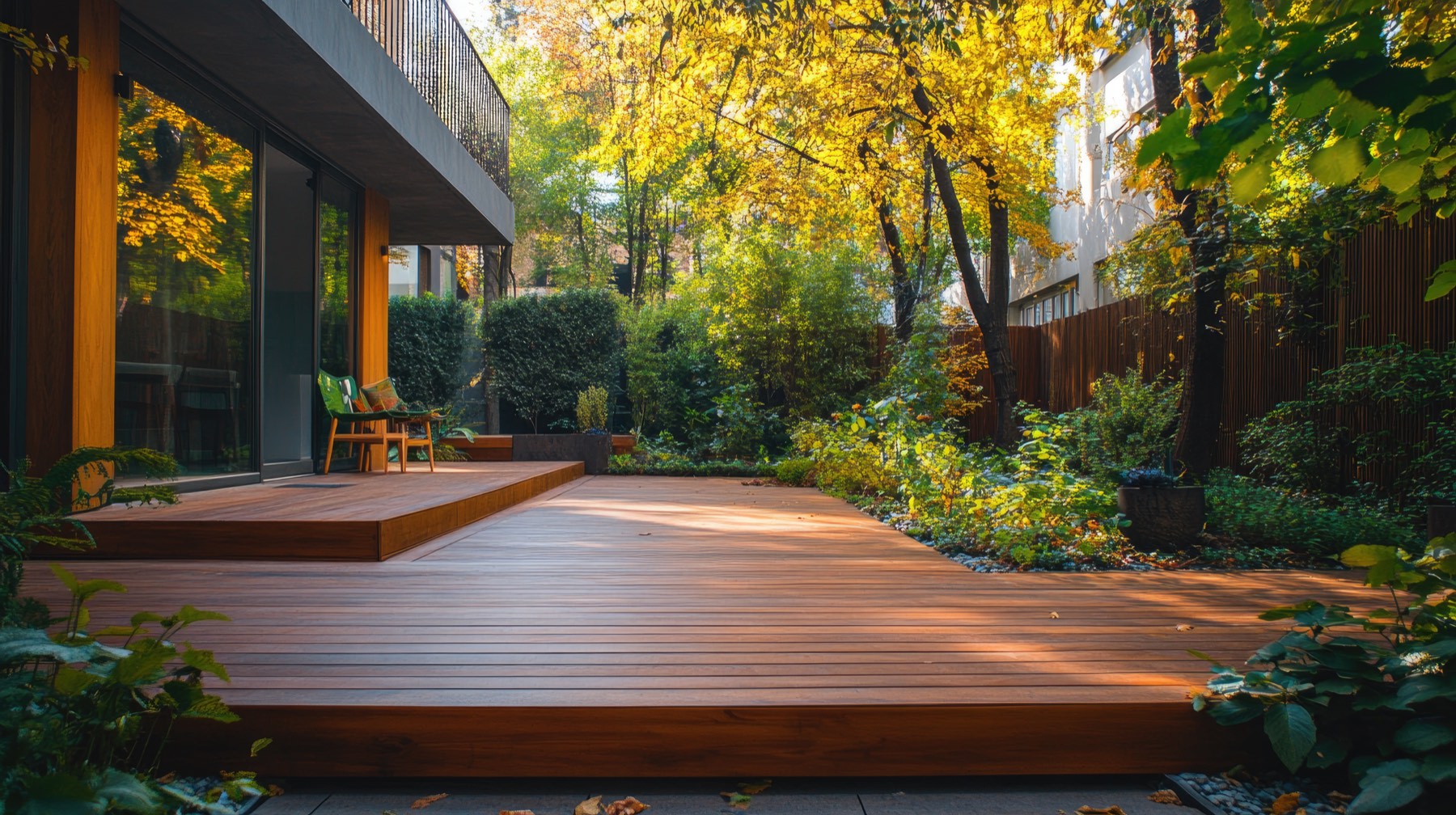
Outdoor Living
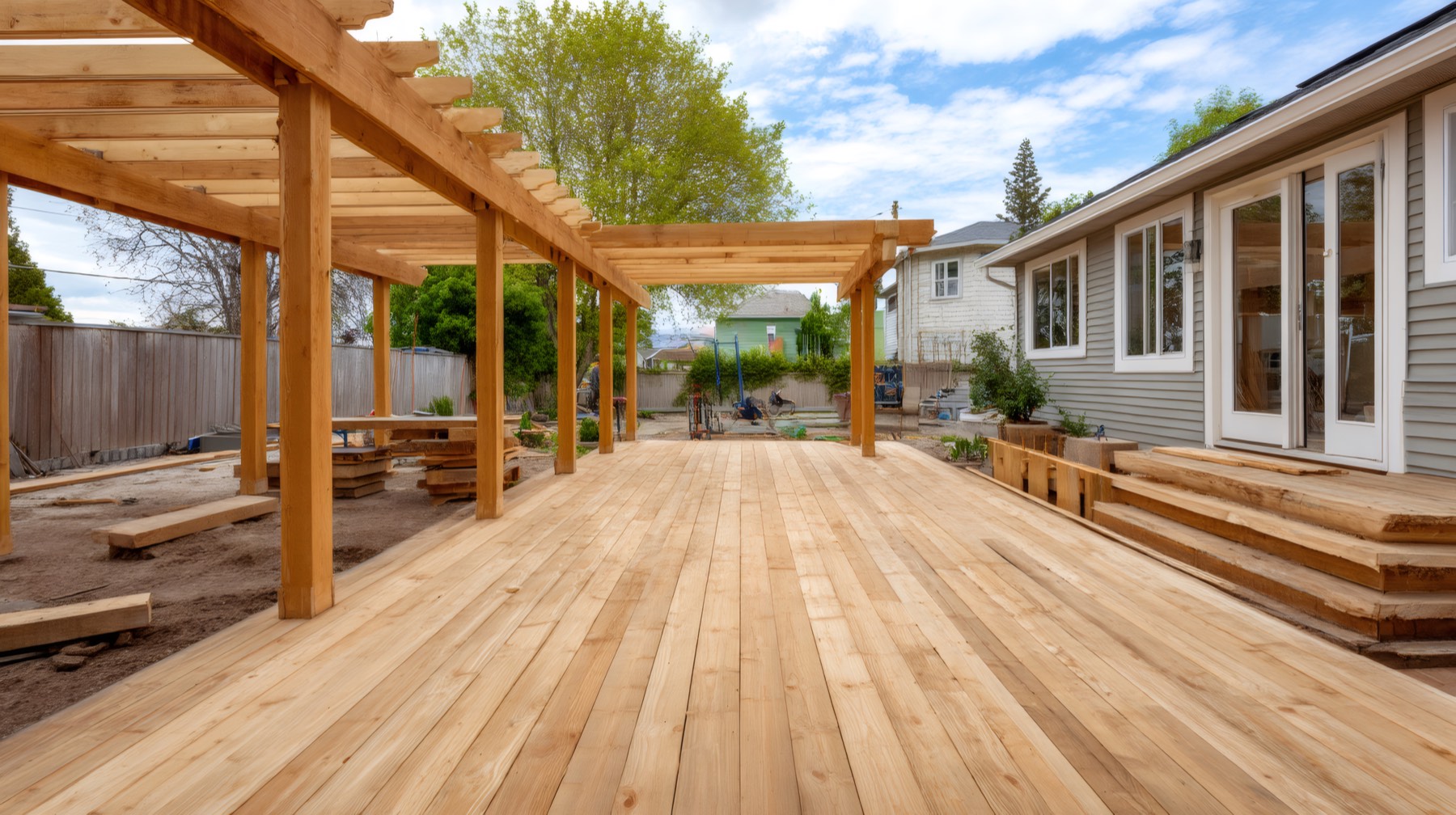
Deck Construction