Rot, mold, and moisture-resistant decking boards
Composite is a strong fit for Everett homeowners who want a deck surface that holds up through long wet seasons.

Deck Services
Composite deck installation for Everett and Snohomish County homeowners who want a clean, durable outdoor surface without the annual maintenance that wood requires in a Pacific Northwest climate.
Composite is a strong fit for Everett homeowners who want a deck surface that holds up through long wet seasons.
We bring samples to the estimate so you can see the board tones in your actual yard and lighting before choosing.
You get a real visit, a written number, and a straightforward explanation of what the project includes.
About the Service
Composite decking isn't the right choice for every homeowner, and we think it's worth being honest about that upfront. If you love the look of natural cedar grain and don't mind a cleaning and sealing schedule every couple of years, wood is a perfectly good option. Composite costs more in materials and has a different feel underfoot.
But for a lot of Everett-area homeowners, composite is genuinely the better fit. If you want a deck that looks good year after year without a maintenance schedule, if you're building for a busy family that will use the space hard, or if you've owned a wood deck before and know you're not going to keep up with the sealing — composite solves the problem you actually have.
We build composite decks across Snohomish County and Greater Seattle for homeowners in exactly that situation. The finished product looks clean, handles Pacific Northwest rain without issue, and doesn't ask much of you to keep it that way.
Materials
Composite decking has improved significantly over the past decade. The boards that fade badly or get chalky after a few winters are mostly older-generation products. Current boards from quality manufacturers perform much better. That said, not all composite is the same — there's a real range in quality, and we only use boards that have performed well in this climate.
Composite vs. Wood
This is the most common question we get on deck estimates, and the honest answer is that it genuinely depends on the homeowner. Here's how we usually think through it:
Choose composite if:
Cedar may be the better fit if:
The total cost difference is worth understanding properly. Composite boards cost more than cedar boards. But when you factor in the cost of sealing or staining every few years — materials, time, or hiring someone — the gap narrows considerably over a ten or fifteen year period. We can walk through the long-term comparison during the estimate if that's useful.
Our Process
We come to your property in Everett or the surrounding area, walk the yard, and talk through what you want the deck to do. Dimensions, sun exposure, drainage, access from the house, any existing structure we're working around — all of it informs how the deck gets framed and where it should sit.
For composite specifically, we also look at the ledger connection to the house and the clearance above grade. Composite installations have minimum airflow requirements under the deck that affect framing height, and we plan for that at the design stage rather than working around it during installation.
After the visit we put together a written estimate with the scope, materials, and timeline. We bring composite board samples so you can see the color and texture options in your actual yard, in the light your deck will live in — not in a showroom or on a website. That step helps a lot with color decisions that are hard to evaluate from a screen.
If the project requires a building permit — which most attached decks in Everett do — we handle the application and include that in the project scope.
Once you approve the estimate, we confirm the board order, lock in the schedule, and give you a realistic start date. Lead times on composite boards vary by manufacturer and product line — we tell you honestly if there's a wait rather than giving you a start date that depends on materials arriving on time.
The crew arrives on schedule. We set footings to the correct depth for the soil conditions in your area, build the pressure-treated frame with proper joist spacing and ventilation clearance for composite, and install the boards to the manufacturer's specifications — including expansion gaps, hidden fasteners, and clean edge cuts at the perimeter.
If anything unexpected comes up during the build, we stop and show you before making a decision that affects the project. The few extra minutes that takes is almost always worth it.
When the work is done we walk the deck with you — checking board seating, fasteners, railing stability, stair dimensions, and the connection at the house. We clean the site completely before we leave and talk through what, if anything, composite decking needs from you going forward. Spoiler: it's not much. An annual rinse with a garden hose or a light pressure wash every couple of years is about it for most boards.
Local Experience
We build composite decks throughout the Everett area and surrounding Snohomish County communities — Marysville, Snohomish, Mill Creek, Mukilteo, Lynnwood, Edmonds, and Bothell. We also work regularly in Shoreline, Kenmore, Kirkland, Redmond, and Bellevue.
Composite performs well across all of those areas, but the installation details vary by location. Yards near the Everett waterfront see more wind and some salt-air exposure. Shaded backyard decks in Mill Creek or Bothell with tree coverage overhead stay damp for longer stretches in winter — adequate ventilation under the deck matters more there. Decks in hillier terrain around Kenmore or Kirkland sometimes need more attention to drainage slope under the frame.
None of these are unusual situations for us. Working in Snohomish County regularly means we've dealt with the variations that come up here — and we plan for them at the framing stage rather than hoping they don't cause problems later.
We're also familiar with the permit requirements across different jurisdictions in this area. City of Everett, Marysville, Mukilteo, and unincorporated Snohomish County each have their own process. We handle the permit application as part of the project so that piece doesn't fall on the homeowner to figure out.
Why Choose Us
We're a small, focused operation. The people who come to your yard for the estimate are the same people who build the deck. That means the details from the planning conversation — board orientation, the drainage slope you mentioned, the railing height you wanted — actually make it to the installation.
Decks and fences are what we do. We're not a general builder who takes outdoor projects when the schedule has room. That focus means we've worked through the situations that come up on composite deck builds specifically — difficult ledger attachments, decks on significant slopes, multi-level builds that need careful framing transitions, composite over a basement or enclosed under-deck space. We've seen the versions of those jobs that were done wrong and we know what to do differently.
What homeowners who've worked with us tend to mention
We'll also tell you honestly if wood would serve you better for your situation. If the aesthetic or budget points toward cedar, we say so.
FAQ
Quality capped composite boards typically carry manufacturer warranties of twenty-five years or more, and the performance in wet climates backs that up when the installation is done correctly. The key variables are using capped composite boards, framing with adequate ventilation underneath, and installing to the manufacturer's specification for joist spacing and expansion gaps. Boards that fail early in this climate usually have one of those factors wrong. We build to the long end of the expected lifespan.
It can, particularly in darker colors and full sun. Composite boards absorb more heat than wood in direct sun exposure, which some homeowners notice on hot July days. In the Everett area this is a limited concern — we get relatively few days of intense direct sun, and most decks here have some shade from the house or trees. If you have a south-facing deck with full afternoon sun, it's worth knowing about, and lighter board tones help reduce it. We talk through sun exposure during the estimate visit.
No. That's the main practical advantage over wood in this climate. Composite boards don't need sealing, staining, or painting. An occasional rinse with a garden hose keeps most boards looking clean. If mildew builds up in a particularly shaded spot, a light pressure wash or a composite-safe deck cleaner handles it. That's about all the maintenance most composite decks need.
Sometimes, yes — if the existing frame is structurally sound and the joist spacing is compatible with the composite boards being used. We check the existing framing during the estimate visit and give you an honest answer about whether it makes sense to resurface or whether the frame needs to be rebuilt. An old frame with rot, sagging joists, or spacing that doesn't match composite requirements usually isn't worth keeping. A solid frame in good condition is worth reusing.
The main difference is the cap layer on the surface of the board. Budget composite is often uncapped or partially capped, which means moisture can get into the core over time — leading to mold, swelling, and surface wear. Quality boards have a full polymer cap on all four sides, consistent color throughout the depth of the board, and more realistic wood-grain texture. They also tend to have better manufacturer warranties. The upfront cost difference is real; so is the performance difference in a wet climate. We use capped boards as the standard and can show you samples of both during the estimate so you can see the difference yourself.
In most cases, yes. Attached decks in Everett above a certain height or square footage require a building permit through the City of Everett. The permit process is the same regardless of whether the surface material is composite or wood — what triggers it is the structure and attachment to the house, not the board material. We handle the permit application as part of the project.
It depends on the size, the board line, framing requirements, site conditions, and any railing or stair additions. Composite decks typically cost more upfront than cedar decks of the same size, with the gap varying based on the board grade. The long-term cost comparison is closer once you factor in maintenance over ten or fifteen years. The most accurate thing we can give you is a real estimate after seeing the property — not a range that may not apply to your specific yard and project. The estimate visit is free.
If you're considering composite decking for your Everett-area home, the first step is a free on-site visit. We come to your yard, look at the space, bring board samples so you can see the color options in your actual light, and put together a clear written estimate with materials, scope, and timeline.
No phone guesses. No pressure to decide on the spot.
Call (425) 645-9799 or fill out the estimate request form and we'll get back to you within one business day.
We serve Everett, Marysville, Snohomish, Mill Creek, Mukilteo, Lynnwood, Edmonds, Bothell, Kenmore, Shoreline, Kirkland, Redmond, Bellevue, and surrounding Snohomish County communities.
Recent Projects
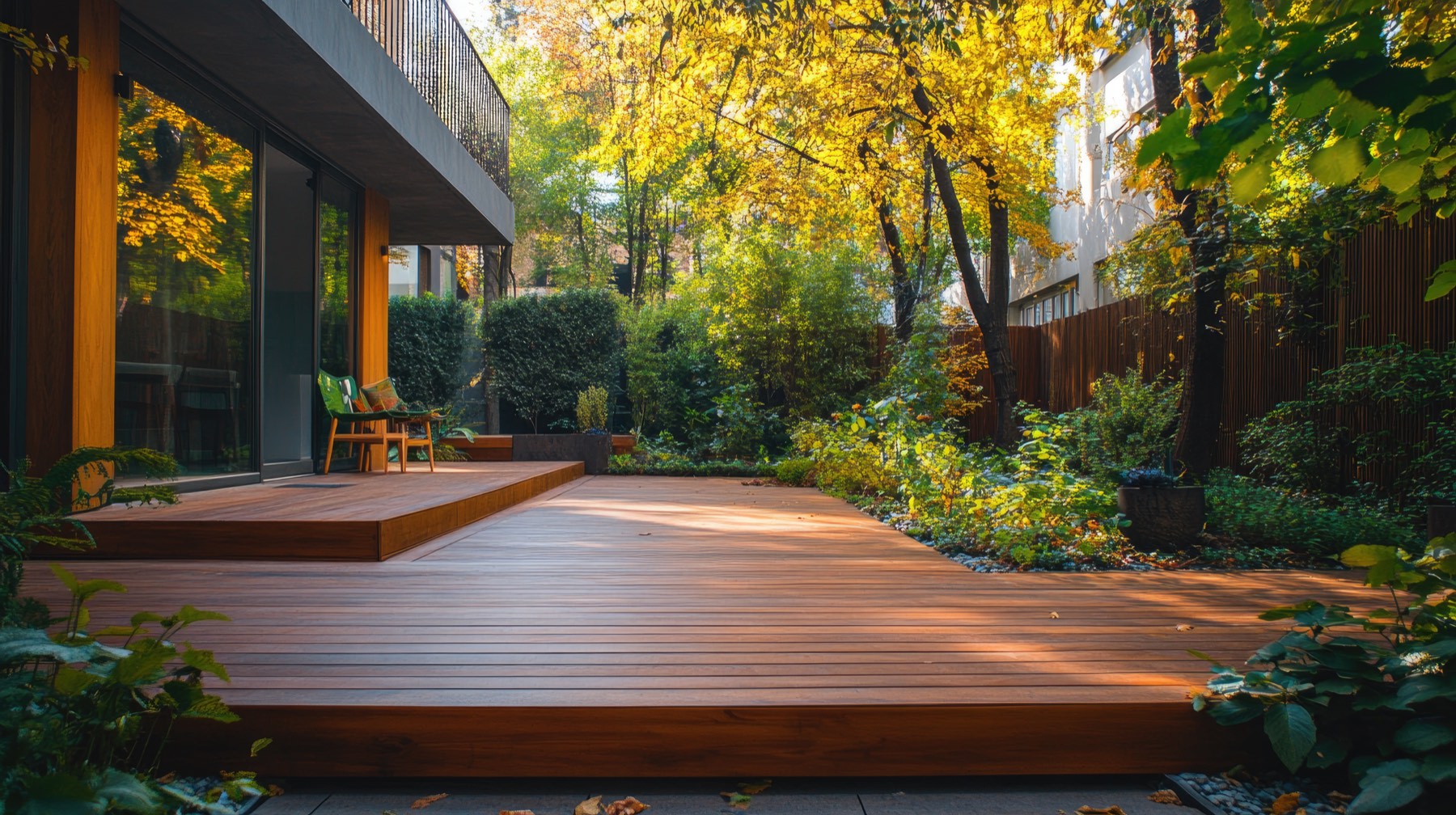
Outdoor Living
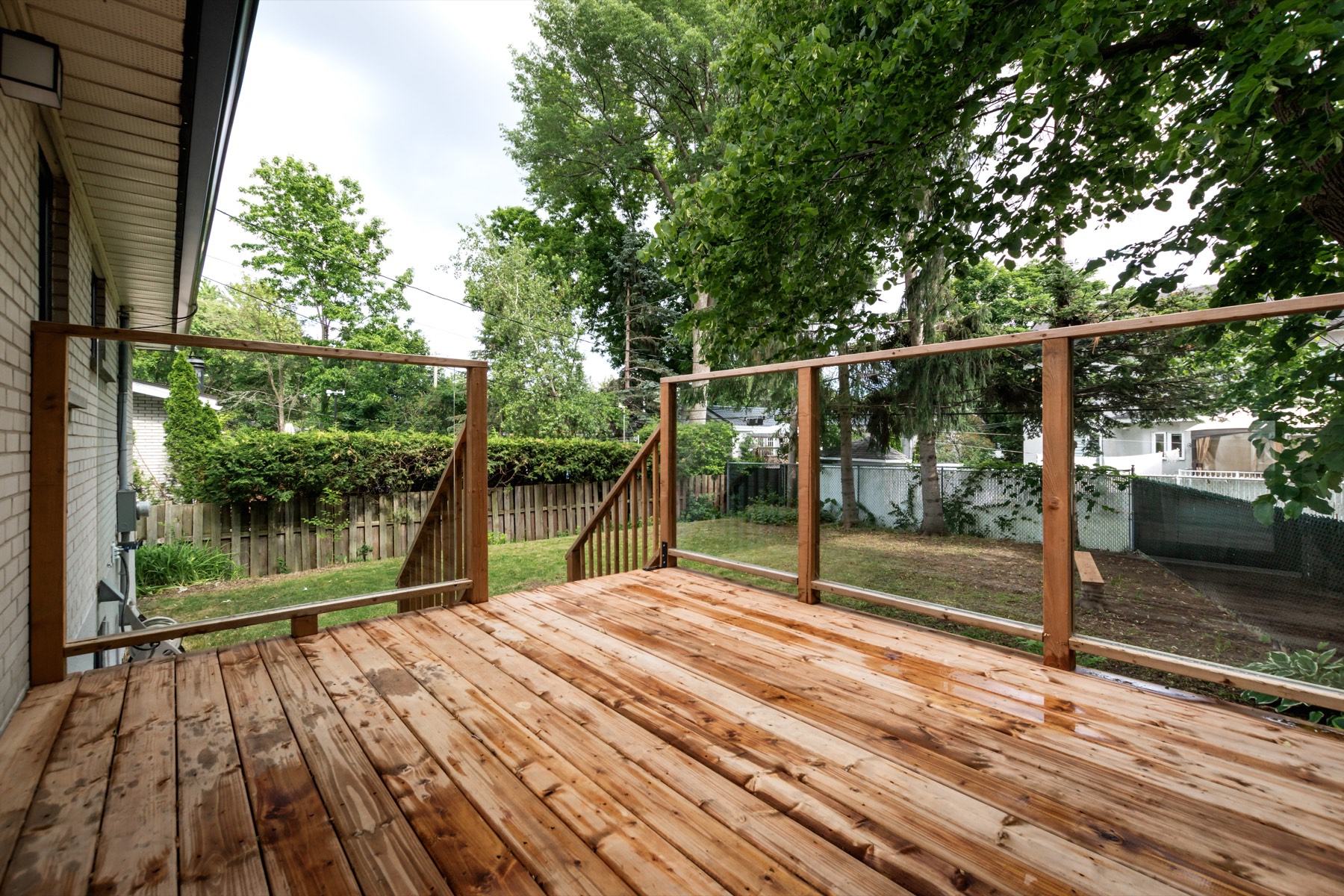
Deck Build
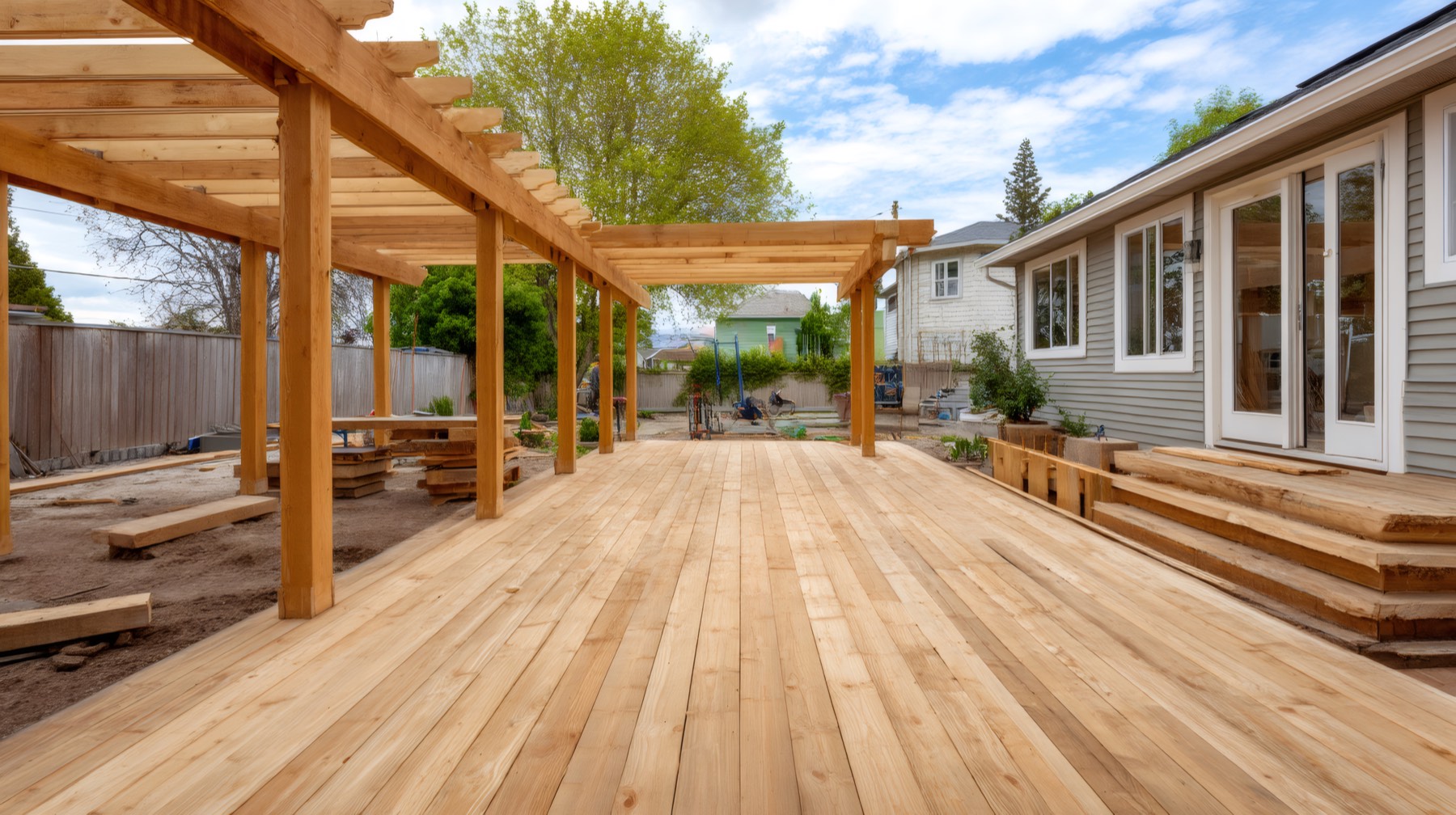
Deck Construction