Typical lifespan in wet climates
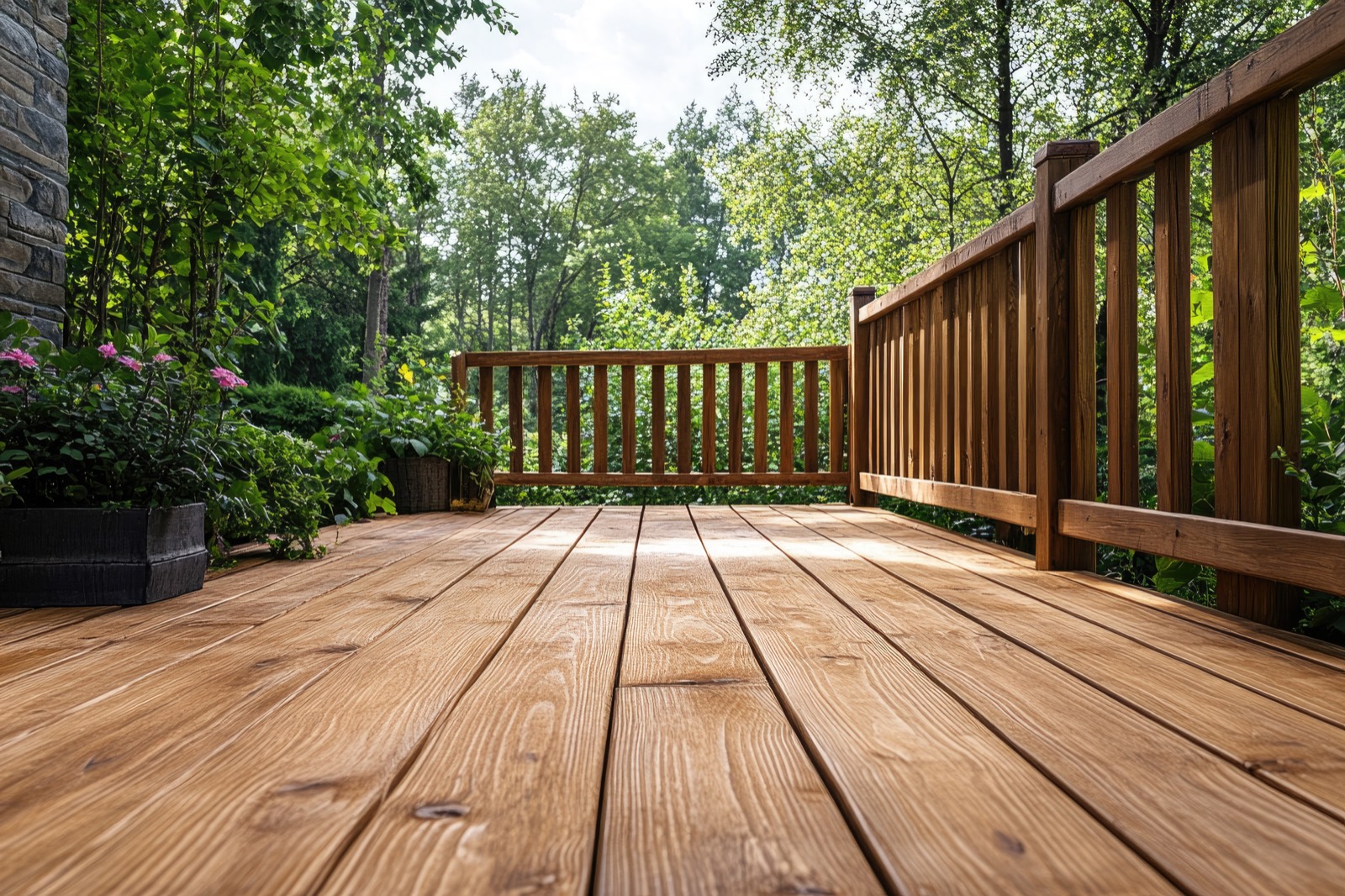
A well-built and maintained wood deck in the Pacific Northwest can last many years, but moisture management is the biggest factor.
Ventilation, drainage, and routine sealing all influence how long framing and surface boards stay healthy.
What shortens deck life
Standing water, trapped debris, and delayed maintenance can speed up wear. Shaded zones and high-moisture corners often age first.
Key points
- Drainage that directs water toward framing
- Persistent algae or mildew growth
- Fastener corrosion or repeated board movement
Plan inspections before major damage
A yearly review helps catch repair items while costs stay manageable. Replacing worn parts early is usually less disruptive than waiting for structural failure.
What homeowners should document each year
A simple annual record helps identify patterns: areas that stay wet, recurring movement, or repeated fastener issues. This makes future repair planning more accurate.
Photograph stair connections, railing posts, and deck-to-home transition points during each inspection cycle. These are common locations for early wear in Pacific Northwest conditions.
Key points
- Record board movement, soft spots, and rail stability
- Track sealing and cleaning dates by season
- Note drainage problems after heavy rainfall
- Flag areas needing professional assessment before winter
Typical lifespan ranges by maintenance level
Well-maintained decks generally outperform neglected ones by a wide margin. The difference is often driven by moisture control, cleaning frequency, and timely repair decisions.
Even durable materials degrade faster when drainage, airflow, and connection integrity are not monitored consistently.
Key points
- High consistency maintenance: best long-term performance
- Occasional maintenance: moderate lifespan variability
- Reactive-only maintenance: elevated risk of early replacement
Case example: extending deck life with early intervention
A homeowner noticed minor stair movement and recurring algae in one corner. Early repair plus drainage correction prevented wider framing damage.
Because issues were addressed early, replacement was delayed and safety improved without major disruption.
Homeowner Checklist
Use this checklist before starting your project so scope, budget, and expectations stay clear from the beginning.
- Perform full annual inspection of boards, rails, stairs, and framing.
- Track moisture retention zones after heavy rain periods.
- Document cleaning, sealing, and repair history by date.
- Prioritize high-traffic and high-exposure areas for early fixes.
- Schedule professional review if movement or soft spots appear.
- Budget for planned maintenance instead of emergency repairs.
Local Notes
Pacific Northwest moisture cycles can stress stair transitions and railing posts faster than open-sun deck areas.
Moss and algae buildup in shaded corners often indicates longer wet-time and higher wear risk.
Seasonal inspection timing is critical in Seattle because wet and dry periods create different maintenance priorities.
When to Call a Professional
DIY can handle light upkeep, but these conditions usually benefit from professional assessment and structured repair planning.
- Deck framing feels soft, unstable, or visibly compromised.
- Railings or stairs shift under normal household use.
- You see repeated moisture-related issues despite regular maintenance.
- Repairs now involve structural members, not only surface boards.
- You need help forecasting replacement timing and budget planning.
Frequently Asked Questions
What shortens deck lifespan most in the Pacific Northwest?
Persistent moisture, poor drainage, limited airflow, and delayed maintenance are the most common lifespan reducers.
How often should I inspect framing components?
At least once per year, plus after severe weather or when you notice movement, noise, or soft areas.
Can small issues really become structural problems?
Yes. Minor movement and moisture accumulation can develop into larger structural concerns if ignored.
Is a maintenance log worth keeping?
Absolutely. It helps spot recurring trouble areas and improves planning for seasonal maintenance and repairs.
When should I move from maintenance to replacement planning?
When structural concerns spread across multiple components or repeated repairs stop delivering reliable performance.