Match material to yard priorities
For Seattle homeowners, privacy level, maintenance preference, and slope conditions often matter more than trend-based material choices.
Common options and trade-offs
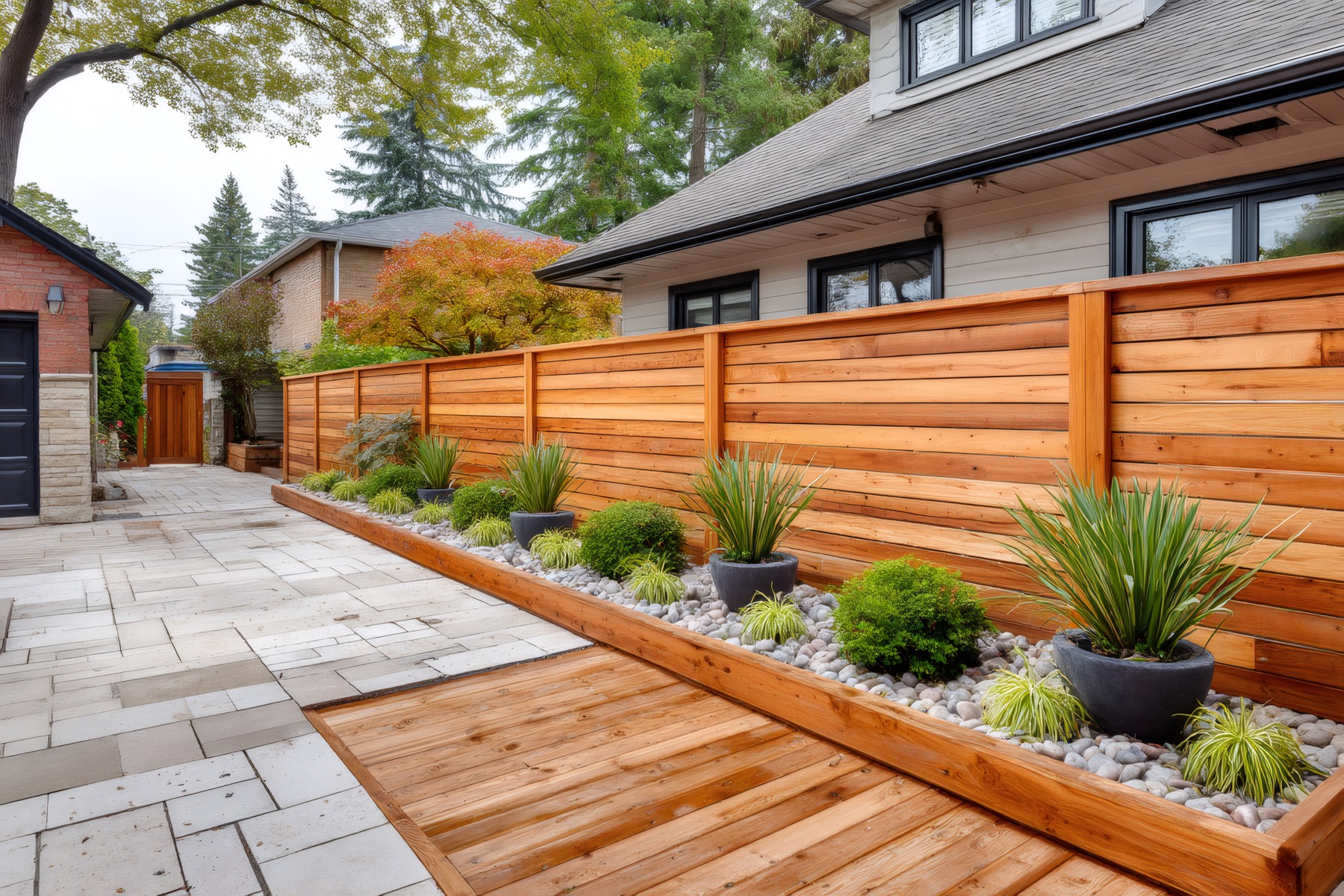
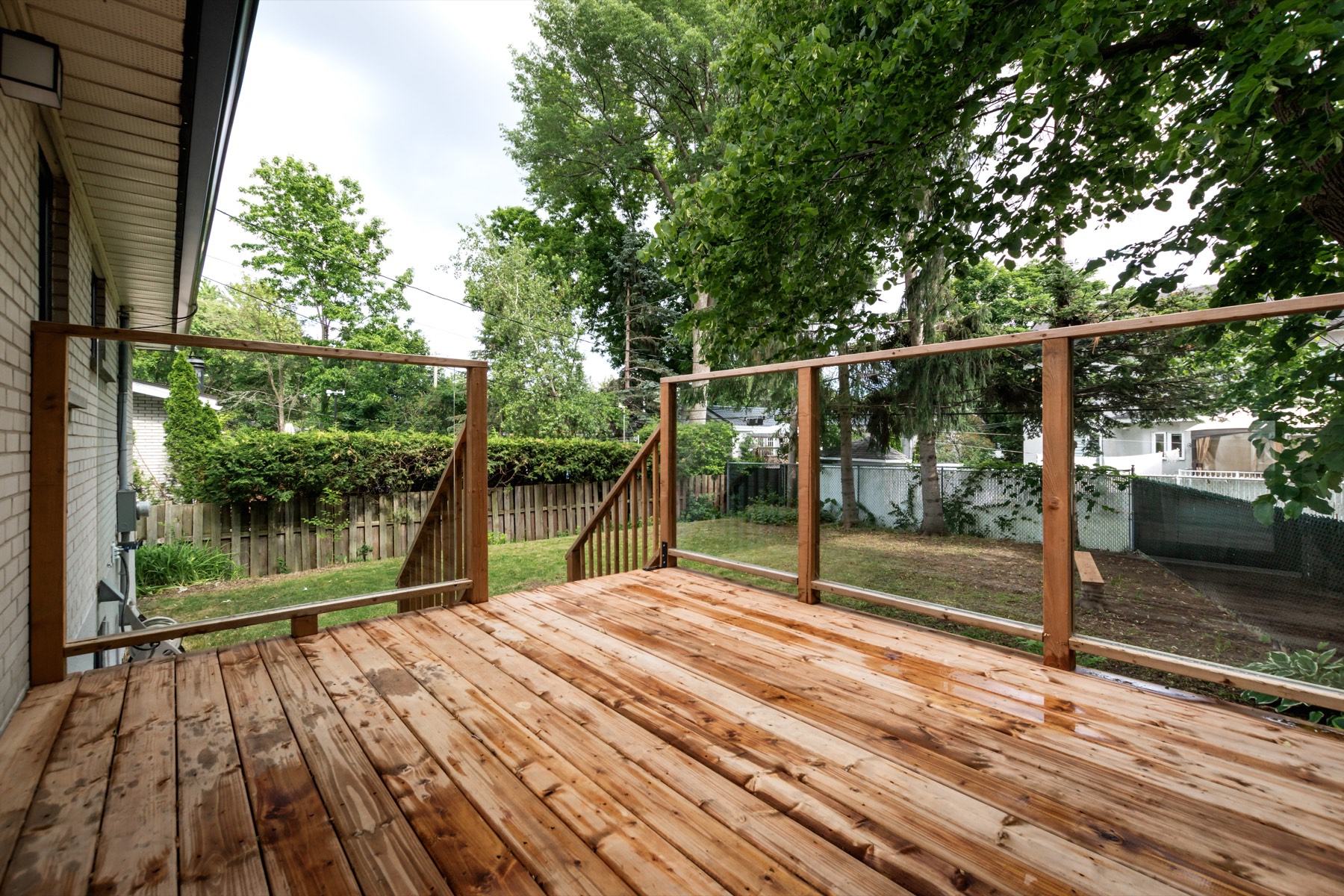
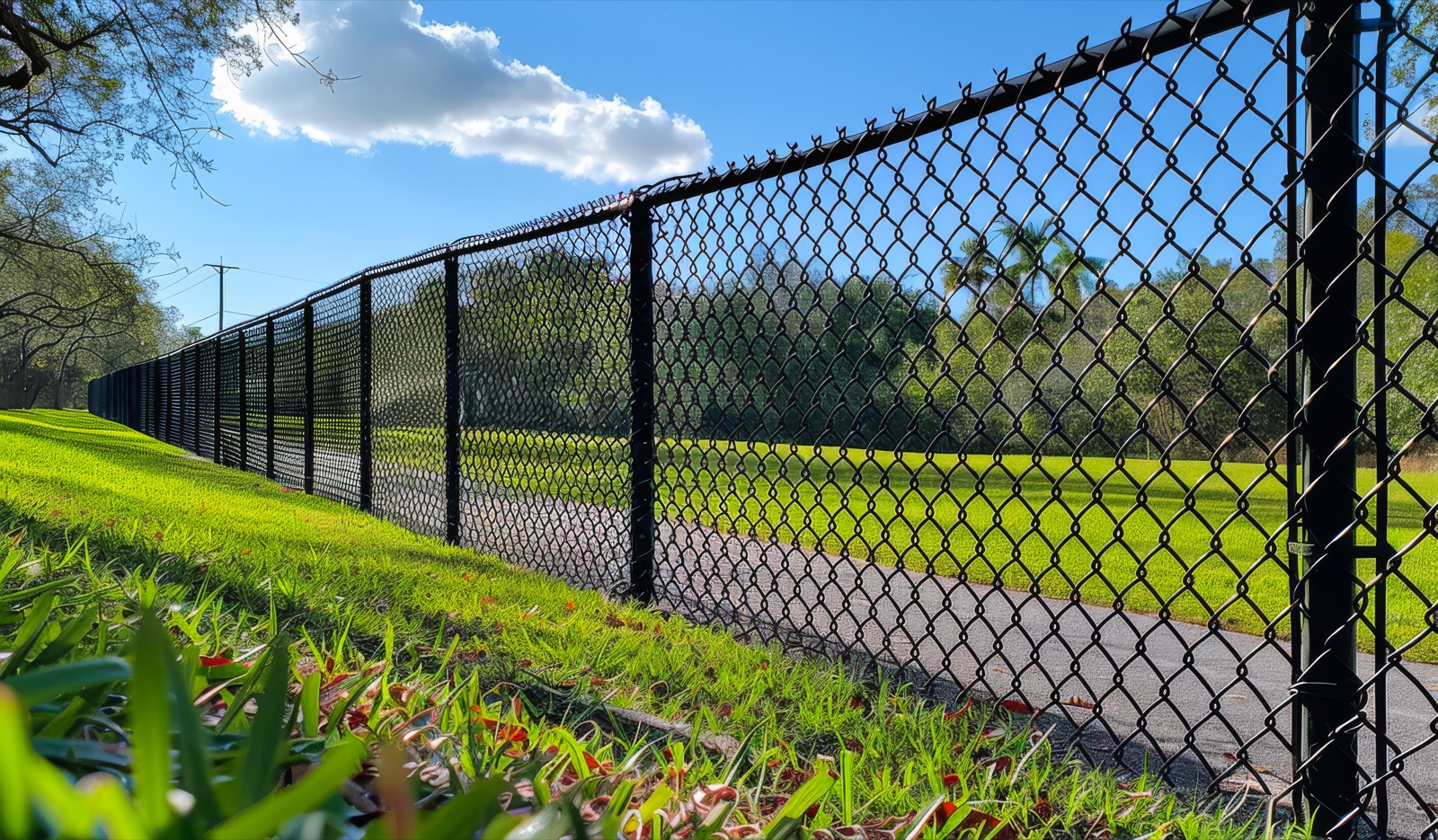
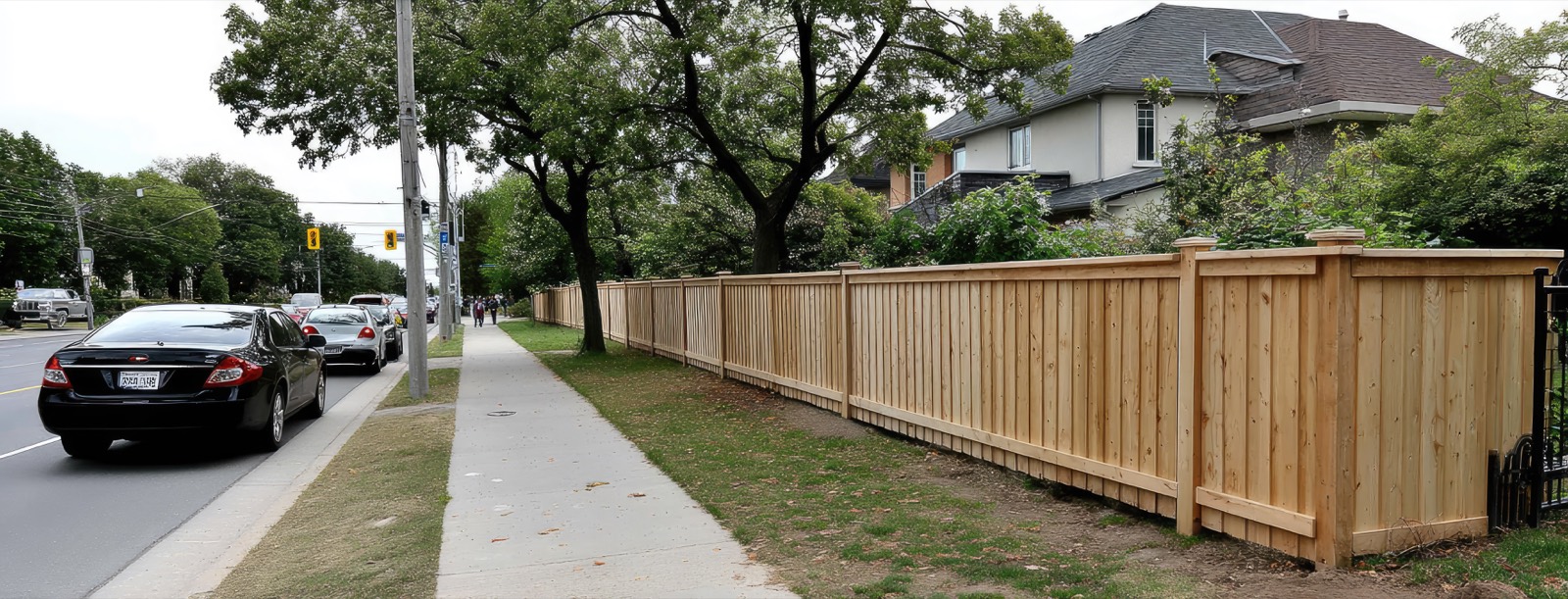
Cedar provides a natural look and privacy. Chain link is practical for security and clear boundaries. Hybrid designs can balance privacy with airflow.
Key points
- Cedar: strong curb appeal and privacy
- Chain link: practical, durable, and budget friendly
- Custom layouts: better fit for sloped or irregular yards
Plan for moisture and footing stability
Post setting, drainage, and panel spacing should be planned for wet seasons to reduce movement and early wear.
How to choose the best fence setup for your lot
Material is only part of fence performance. Layout decisions - gate location, panel height transitions, and slope handling - strongly influence durability and everyday usability.
For Seattle-area properties, consider privacy needs and runoff behavior together. A fence that looks good on day one should also remain stable through repeated wet seasons.
Key points
- Select gate locations based on daily traffic patterns
- Plan panel transitions for slope and grade changes
- Use drainage-aware post strategy in moisture-prone zones
- Balance curb appeal with realistic maintenance expectations
Typical budget ranges by fence type
Fence budgets differ by material, linear footage, gate count, and slope complexity. A practical estimate should separate base installation from optional upgrades.
Higher-cost options may provide better durability or lower maintenance depending on your site conditions and priorities.
Key points
- Simple boundary runs: lower complexity and cost
- Multiple gates and transitions: higher labor impact
- Slope-heavy layouts: additional planning and installation effort
Seattle neighborhood scenario: privacy goals on compact lots
In tighter neighborhoods, homeowners often need privacy without making the yard feel closed-in. Mixed-height or strategic panel sections can improve both comfort and appearance.
Early layout planning around sightlines and access paths helps avoid expensive adjustments later.
Homeowner Checklist
Use this checklist before starting your project so scope, budget, and expectations stay clear from the beginning.
- Define your privacy goals before comparing material options.
- Map slope changes, gates, and access routes on your property.
- Compare maintenance effort across cedar, chain link, and hybrid designs.
- Review how each material handles Seattle rain and shade conditions.
- Ask for material-specific repair strategy and expected service life.
- Select layout and gate plan before final estimate approval.
Seattle Notes
Seattle neighborhoods often combine tight property lines and varied lot shapes, which makes layout planning just as important as material selection.
Wet-season post stability should be considered early, particularly in yards with uneven drainage.
Shaded fence runs usually need more active maintenance scheduling than sun-exposed sides.
When to Call a Professional
DIY can handle light upkeep, but these conditions usually benefit from professional assessment and structured repair planning.
- You are unsure how to balance privacy, budget, and long-term upkeep.
- Property slope or boundary complexity affects layout decisions.
- Gate placements require traffic-flow and clearance planning.
- You need phased replacement without compromising overall alignment.
- Current fence movement suggests structural footing issues.
Frequently Asked Questions
Is cedar still a good fence option for Seattle?
Yes, cedar remains a strong local option when installation details and maintenance are handled consistently.
How do I choose between privacy and airflow?
Choose based on lot exposure, neighborhood visibility, and yard use. Many homeowners use mixed approaches across different fence lines.
Do sloped yards limit fence material options?
Not necessarily. Most materials can work with the right layout and transition planning for grade changes.
What usually causes early fence movement?
Post instability, poor drainage, and unaddressed soil conditions are common contributors to premature movement.
Can I phase fence replacement by section?
Yes. Section-by-section planning can work well if structural priorities and gate alignment are handled carefully.