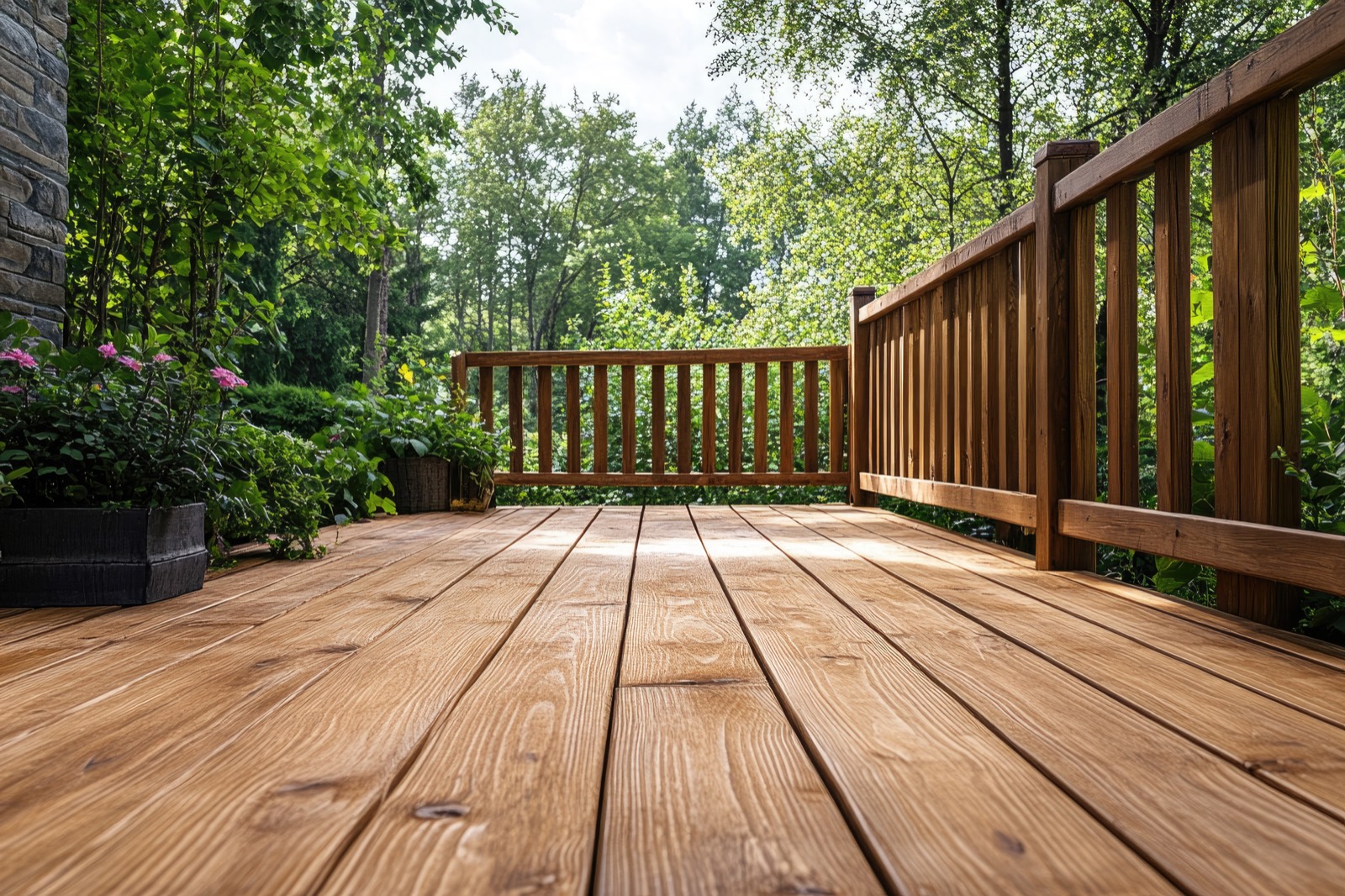
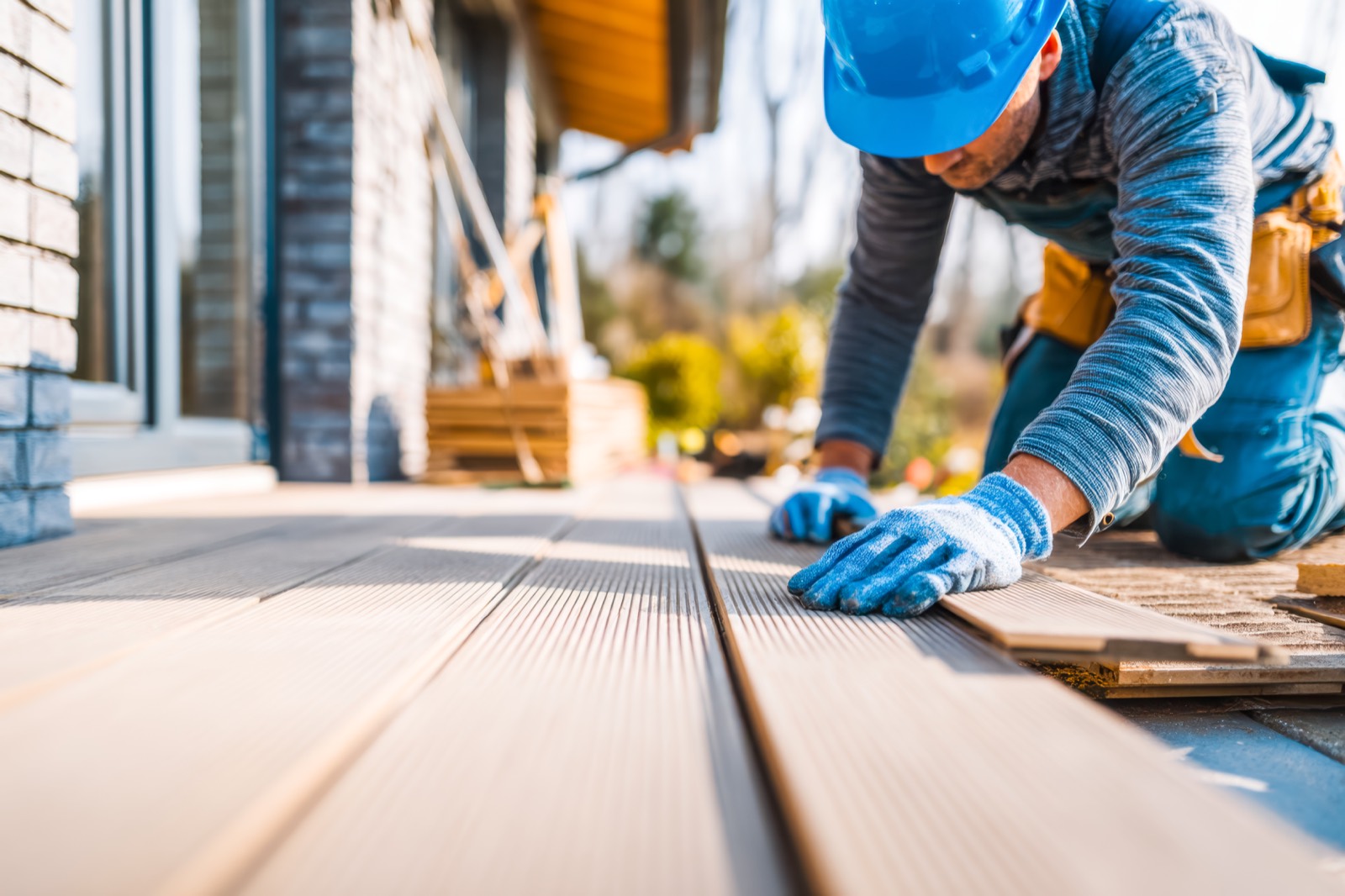
Cedar: natural appearance and warmth
Cedar delivers a classic natural look and is a strong fit for homeowners who value real wood texture and color variation.
It performs well in Seattle, but it needs consistent cleaning and sealing to stay stable and attractive.
Composite: lower maintenance routine
Composite is designed for moisture resistance and lower maintenance. It reduces annual upkeep and avoids many of the surface issues common with untreated wood.
Upfront pricing is usually higher, but many homeowners choose composite for long-term convenience.
How to choose for your home
The best choice depends on budget, desired appearance, and how much maintenance you are willing to do each year.
Key points
- Choose cedar for natural character and traditional wood style
- Choose composite for simpler maintenance and durability
- Ask for side-by-side material samples before final selection
Seattle planning notes before you choose
In Seattle, shade and moisture can affect how materials age, especially in corners where airflow is limited. Material performance should be matched to your yard's sun exposure and drainage patterns.
If your project includes stairs, elevated transitions, or heavy-use entertaining zones, include those details in material decisions early so performance and safety stay aligned.
Key points
- Map high-moisture and low-sun areas before final selection
- Review slip resistance and heat retention by material type
- Plan maintenance schedule before installation starts
- Compare warranty and lifecycle expectations side by side
Typical budget ranges for cedar vs composite decks
Cedar is often lower upfront but may require more routine maintenance over time. Composite usually has higher initial material cost with lower annual upkeep.
Total project price also depends on framing complexity, stairs, railing style, and site access conditions.
Key points
- Cedar: lower entry cost, higher maintenance commitment
- Composite: higher entry cost, lower ongoing maintenance
- Design complexity can outweigh pure material pricing differences
Seattle neighborhood scenario: shaded yard vs open sun exposure
In heavily shaded backyards, moisture retention can increase cleaning and maintenance needs. In open-sun spaces, homeowners may prioritize heat and comfort underfoot during warm periods.
Comparing these real-use scenarios before purchase often leads to better long-term satisfaction.
Homeowner Checklist
Use this checklist before starting your project so scope, budget, and expectations stay clear from the beginning.
- List your priorities: natural look, low maintenance, budget, or long-term value.
- Compare material behavior in shaded and wet zones of your yard.
- Review railing, stair, and fastener compatibility with each option.
- Request side-by-side samples and cleaning guidance before deciding.
- Evaluate lifecycle cost, not only initial install price.
- Confirm warranty details and recommended maintenance cadence.
Seattle Notes
Shaded Seattle yards can keep surfaces damp longer, which affects cleaning and maintenance expectations.
Decks used year-round benefit from material choices that pair well with drainage and traction planning.
Moisture exposure at stairs and railing posts should influence material and detail decisions from day one.
When to Call a Professional
DIY can handle light upkeep, but these conditions usually benefit from professional assessment and structured repair planning.
- You need help balancing appearance goals with practical upkeep.
- Your layout includes complex stairs, rail transitions, or elevation changes.
- You are comparing mixed-material options and need structural guidance.
- You want a lifecycle-cost recommendation based on your site conditions.
- You are unsure which system best fits long-term Seattle weather exposure.
Frequently Asked Questions
Which material usually needs less maintenance in Seattle?
Composite typically needs less routine upkeep, while cedar needs regular care to maintain performance and appearance.
Does cedar always cost less upfront?
Often, but not always. Design complexity, framing requirements, and finish choices can change initial costs significantly.
Can I mix cedar and composite in one project?
Yes. Some homeowners combine materials strategically for visual balance and maintenance efficiency.
How important is slip resistance in material selection?
Very important in wet climates. Surface texture and drainage planning both affect day-to-day safety.
Should I decide by color alone?
No. Appearance matters, but moisture performance, maintenance effort, and expected lifespan should drive final choice.