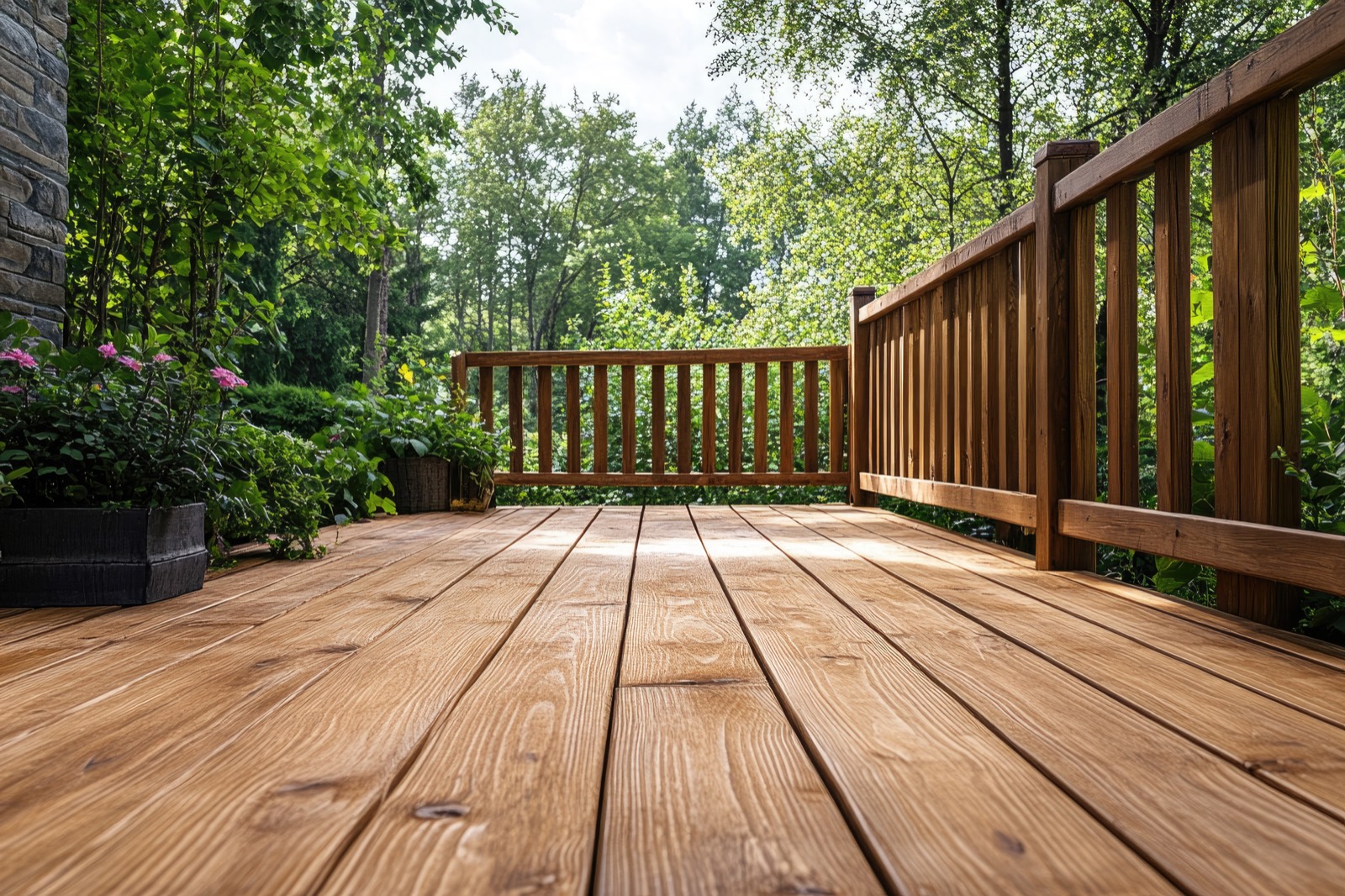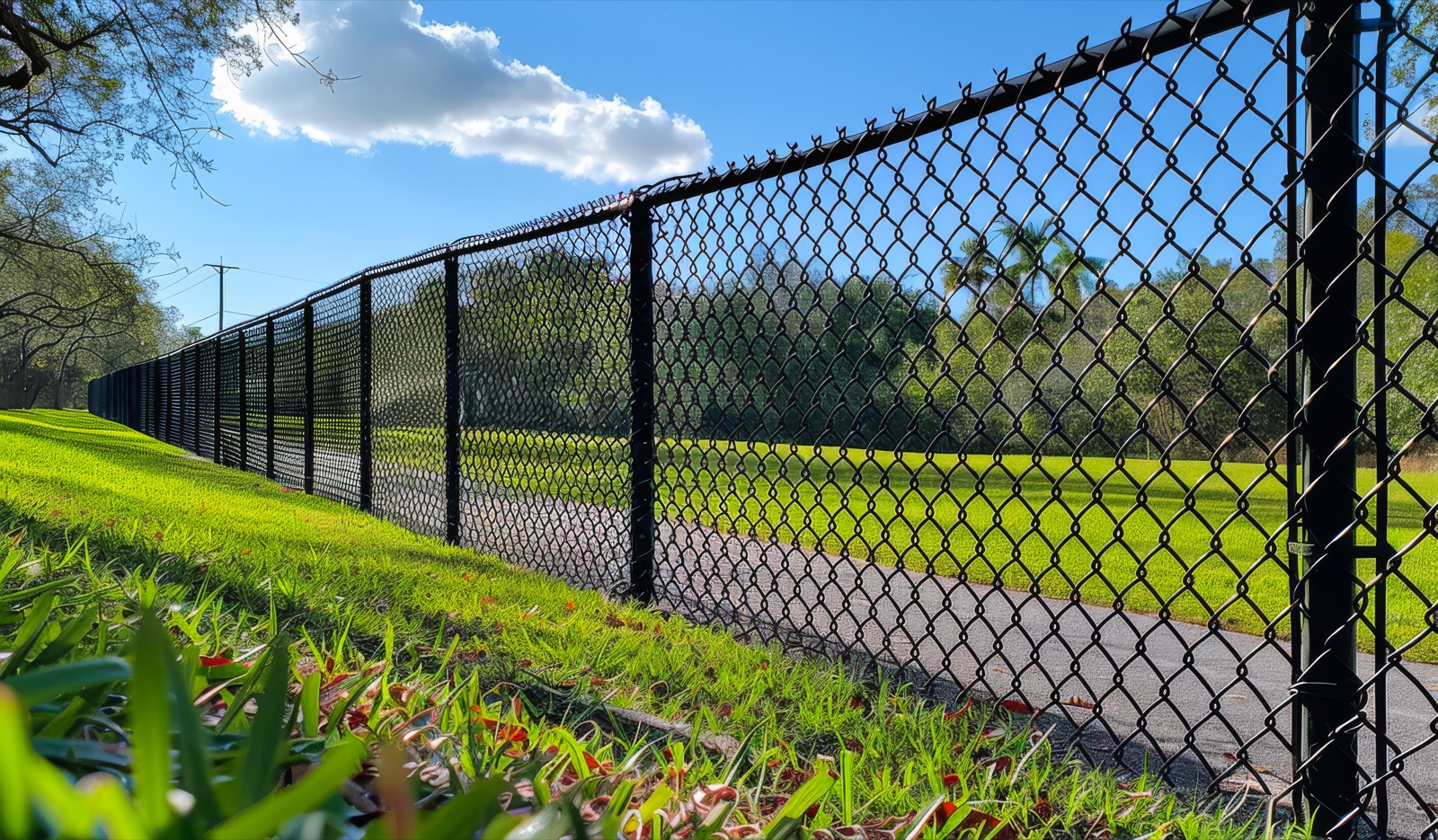

Start with structural safety
Most homeowners first notice appearance issues, but safety is the deciding factor. If rails wobble, steps move, or posts feel soft at the base, get the structure reviewed quickly.
In Seattle weather, trapped moisture can weaken framing long before damage is obvious from the top surface.
Key points
- Loose railings or stair movement
- Posts shifting after rain
- Boards soft underfoot
When repair still makes sense
Repair is usually the right path when damage is isolated and core framing remains sound. Replacing select boards, reinforcing rails, or resetting a few fence posts can extend service life.
A clear estimate should explain what is being repaired now and what may need future attention.
When replacement is the better long-term move
If moisture damage is widespread, multiple structural parts are failing, or layout no longer fits your yard use, replacement often provides better value than repeated repairs.
A rebuild also allows better drainage planning, stronger connections, and materials selected for Pacific Northwest exposure.
How to make a smart repair vs replacement decision
Compare options using a 2-3 year outlook, not just today's repair cost. If repeated fixes are likely, replacement often gives better long-term value and fewer disruptions.
Ask for clear scope documentation that separates structural work, cosmetic updates, and optional upgrades. This makes it easier to prioritize budget while still protecting safety.
For Seattle homes, include moisture management in the decision: ventilation, drainage paths, and protected connection points usually determine how well the next solution performs.
Key points
- Estimate total cost over 24 to 36 months, not one invoice
- Confirm which components are structurally sound vs worn
- Prioritize safety-critical repairs first if phasing work
- Request a final walkthrough checklist before closeout
Typical budget ranges for repair vs replacement
Budget outcomes vary by scope, but targeted repairs are usually lower-cost upfront while full replacement often provides stronger long-term value when structural issues are widespread.
For planning purposes, ask for line items that separate structural corrections, finish materials, and optional upgrades. This helps you compare options without confusion.
Key points
- Minor localized repair: lower upfront, shorter timeline
- Multi-area structural repair: medium cost, often phased
- Full replacement: highest upfront, strongest long-term reset
Seattle case example: phased stabilization before rebuild
A homeowner with railing movement and repeated fence lean chose a two-phase plan: immediate structural stabilization first, then full replacement the next season.
This approach improved safety quickly while giving time to finalize layout and materials for a longer-term rebuild strategy.
Homeowner Checklist
Use this checklist before starting your project so scope, budget, and expectations stay clear from the beginning.
- Review rails, stairs, and framing for movement before focusing on cosmetic issues.
- Document moisture-prone zones and compare repair vs replacement cost over 24 to 36 months.
- Ask for a scope that separates structural fixes, finish updates, and optional upgrades.
- Confirm whether drainage, ventilation, and fastener strategy are included in the plan.
- Prioritize safety-critical work first if you need to phase budget.
- Schedule a final walkthrough with a written punch list.
Local Notes
Seattle rain can keep framing damp for extended periods, especially in shaded backyards with limited airflow.
Moisture management at connection points often determines whether a repair lasts or fails early.
Projects in sloped or tight-lot neighborhoods typically need more detailed drainage and access planning.
When to Call a Professional
DIY can handle light upkeep, but these conditions usually benefit from professional assessment and structured repair planning.
- You feel stair or railing movement during normal use.
- Deck-to-home transition points show moisture staining or structural concern.
- Multiple fence lines lean after rain events.
- Scope includes structural changes, not just board swaps.
- You need a phased plan that protects safety while controlling budget.
Frequently Asked Questions
What is the biggest sign replacement may be better than repair?
When structural damage is widespread across multiple areas, repeated repairs usually cost more over time than rebuilding correctly once.
Can I repair now and replace later?
Yes. Many homeowners stabilize high-risk sections first, then plan full replacement once scope and budget are clearer.
How do I compare two proposals fairly?
Compare assumptions line by line: structural scope, materials, drainage approach, schedule flexibility, and closeout standards.
Is moisture damage always visible from the surface?
No. Hidden framing and connection points can be compromised before top surfaces show obvious signs.
How quickly should I act on structural movement?
Promptly. Rail instability, stair shift, or soft framing should be assessed quickly to reduce safety risk and avoid larger repairs.