Why Seattle moisture needs special attention
Frequent rain and seasonal dampness keep wood surfaces wet longer. Without airflow and maintenance, this can increase rot risk and shorten service life.
High-risk areas to watch first
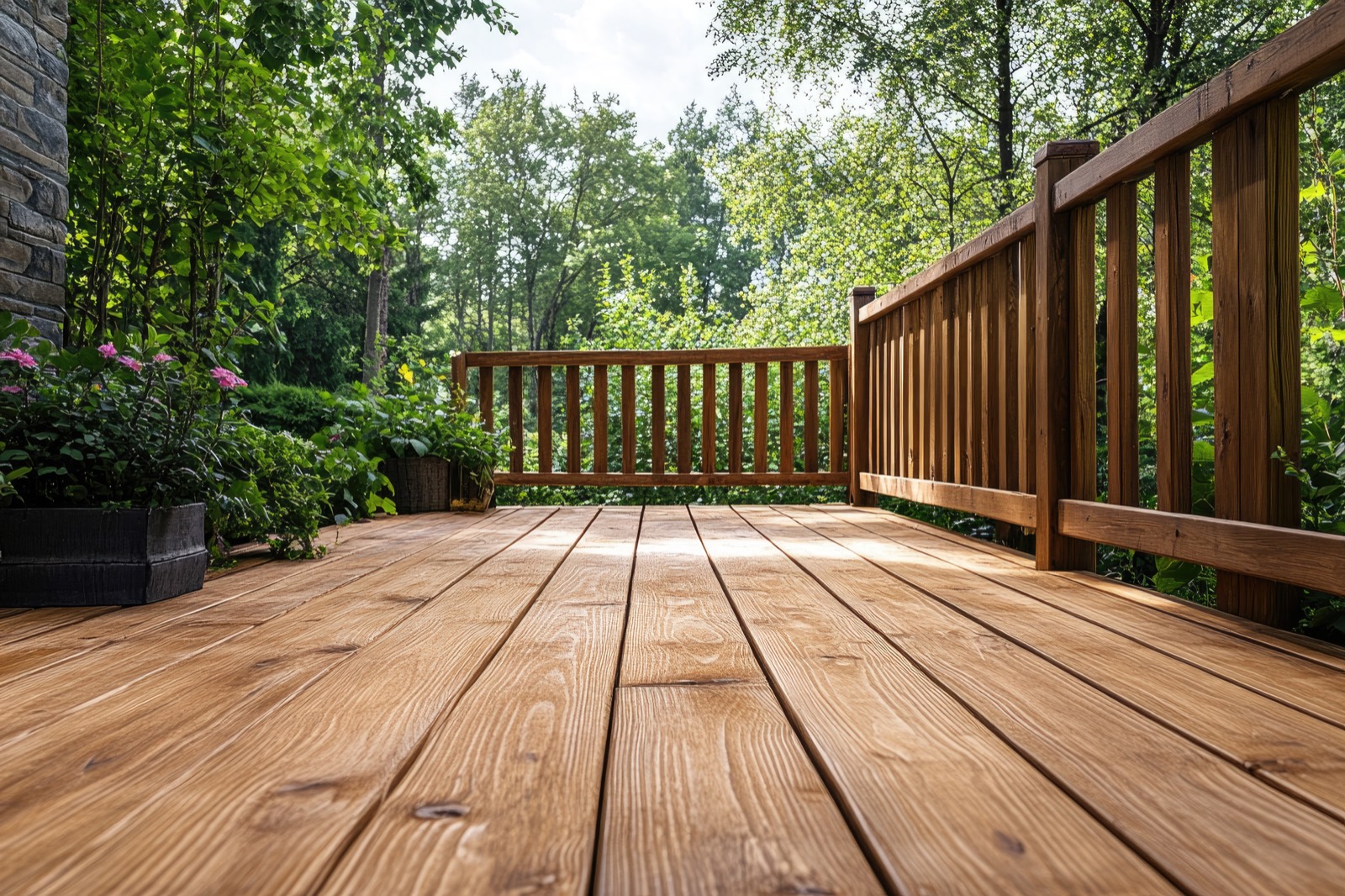
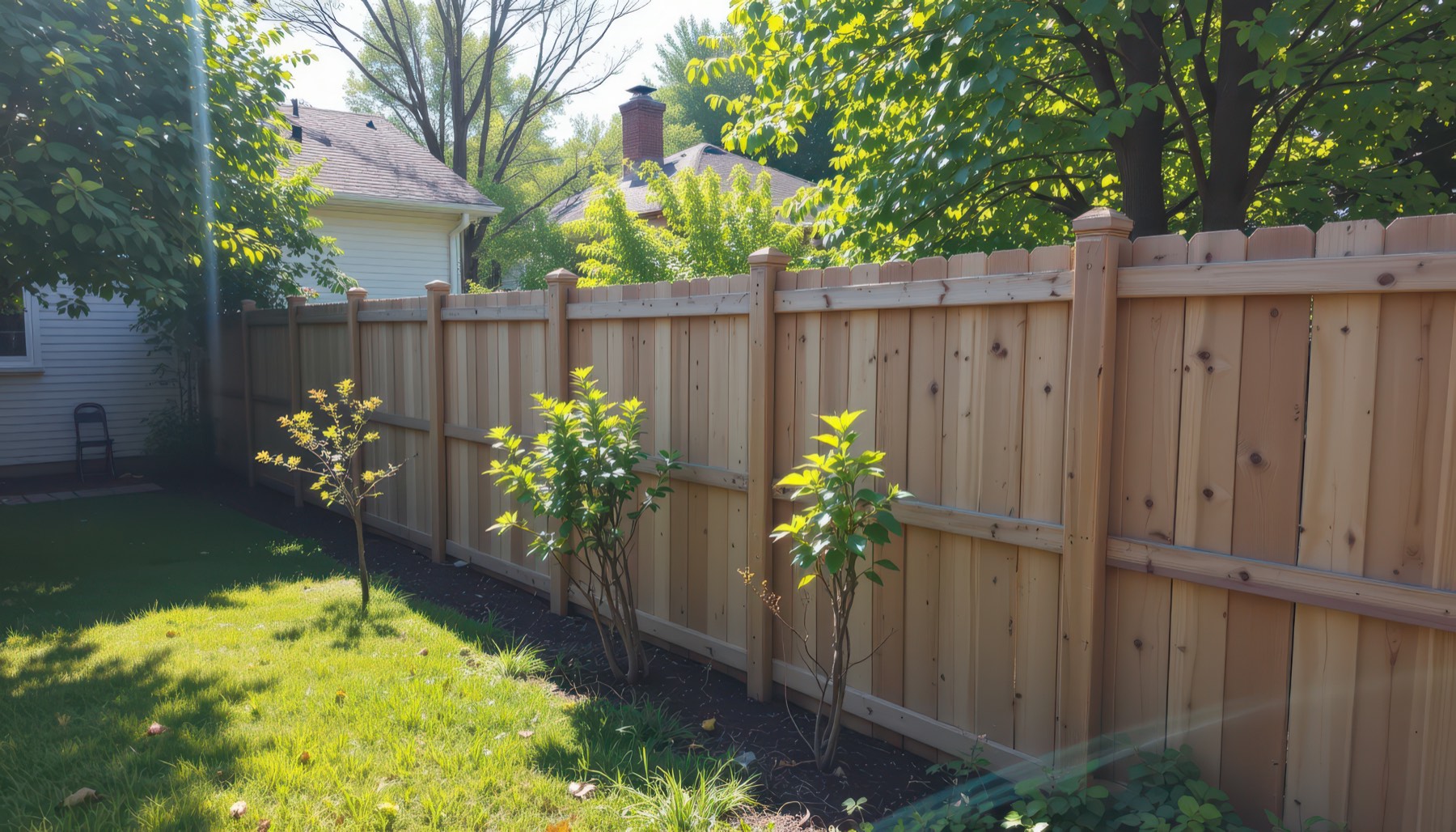
Check horizontal surfaces, stair landings, and fence post bases first. These locations hold moisture and usually show early signs of wear.
Simple prevention routine
Routine cleaning, sealing, and debris removal protect both appearance and structure.
Key points
- Remove leaves and debris from deck corners
- Clean mildew before it spreads
- Re-seal exposed wood based on product guidance
Season-by-season maintenance strategy
Maintenance works best when split into smaller seasonal tasks. Spring and fall are key checkpoints for cleaning, moisture review, and minor repairs.
If your yard has dense shade or limited airflow, plan shorter inspection intervals. These sites often require more frequent attention to prevent hidden moisture retention.
Key points
- Spring: clean surfaces and inspect structural movement
- Summer: perform sealing and targeted board replacement
- Fall: clear debris and confirm drainage before heavy rain
- Winter: monitor high-moisture zones and access safety
Typical moisture hotspots homeowners overlook
Many moisture issues begin in low-visibility areas: under stairs, near planters, deck-to-home transitions, and fence corners blocked by dense landscaping.
These zones should be reviewed more often because they can hold moisture longer and hide early structural wear.
Case example: solving repeat algae and slip issues
A household reported repeated slippery conditions near one deck entry. Inspection showed poor drainage and debris accumulation in an adjacent corner.
After cleaning protocol changes and minor drainage correction, slip risk dropped and surface condition stayed stable through wet months.
Homeowner Checklist
Use this checklist before starting your project so scope, budget, and expectations stay clear from the beginning.
- Inspect damp-prone surfaces after extended rain periods.
- Remove debris from deck corners, stairs, and fence base lines.
- Track recurring algae growth and surface slipperiness.
- Review drainage paths and standing water points seasonally.
- Schedule sealing and small repairs before wet season peaks.
- Escalate persistent moisture issues to a structural review.
Local Notes
Seattle's mild temperatures and frequent moisture create ideal conditions for algae and mildew in low-sun zones.
Drainage direction around patios, planters, and grade transitions often affects how quickly wood dries.
Moisture patterns can vary dramatically across one yard depending on shade and wind exposure.
When to Call a Professional
DIY can handle light upkeep, but these conditions usually benefit from professional assessment and structured repair planning.
- Moisture symptoms repeat despite routine cleaning and sealing.
- Rail, stair, or fence movement appears alongside damp conditions.
- Deck-to-home connection areas show persistent moisture stress.
- You suspect hidden framing exposure in hard-to-access areas.
- You need a long-term moisture mitigation strategy, not quick fixes.
Frequently Asked Questions
Is discoloration always a structural issue?
Not always, but recurring discoloration in the same area can indicate persistent moisture exposure that needs attention.
What areas usually trap moisture first?
Corners, stair transitions, board seams, and post bases are common moisture-retention zones.
How often should I clean algae or mildew?
As soon as buildup appears. Early cleaning helps protect traction and reduces deeper moisture problems.
Can sealing alone solve moisture issues?
Sealing helps, but drainage, airflow, and structural detailing are equally important for long-term control.
When should moisture concerns trigger professional inspection?
If moisture-related symptoms keep returning in the same locations or if movement appears in rails, stairs, or posts.