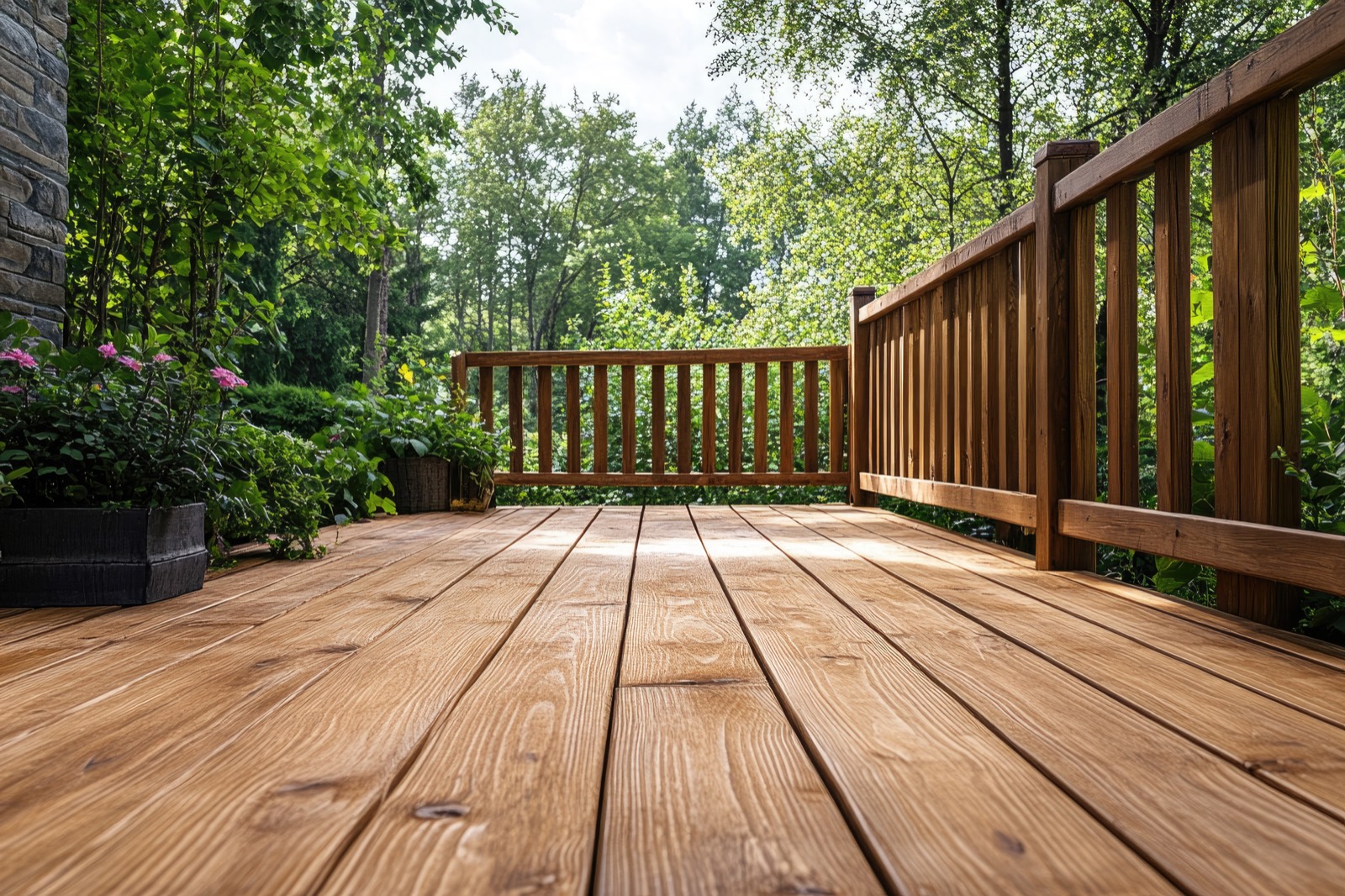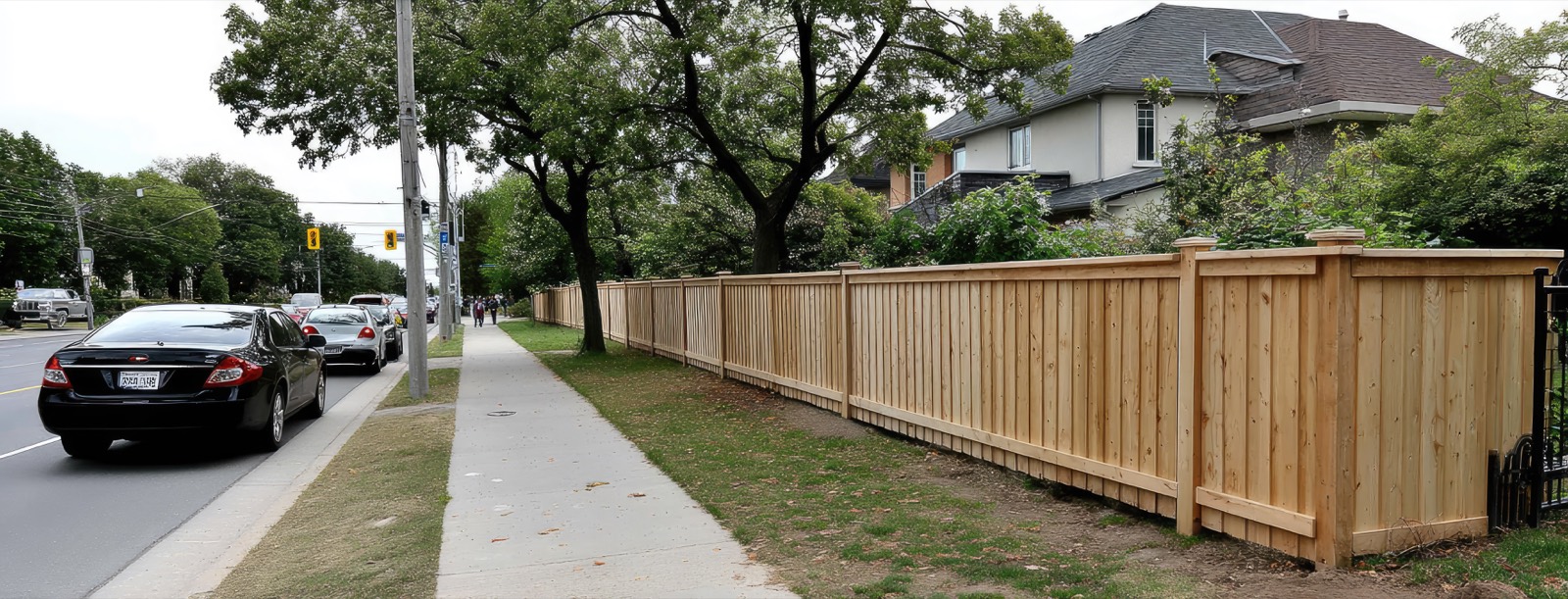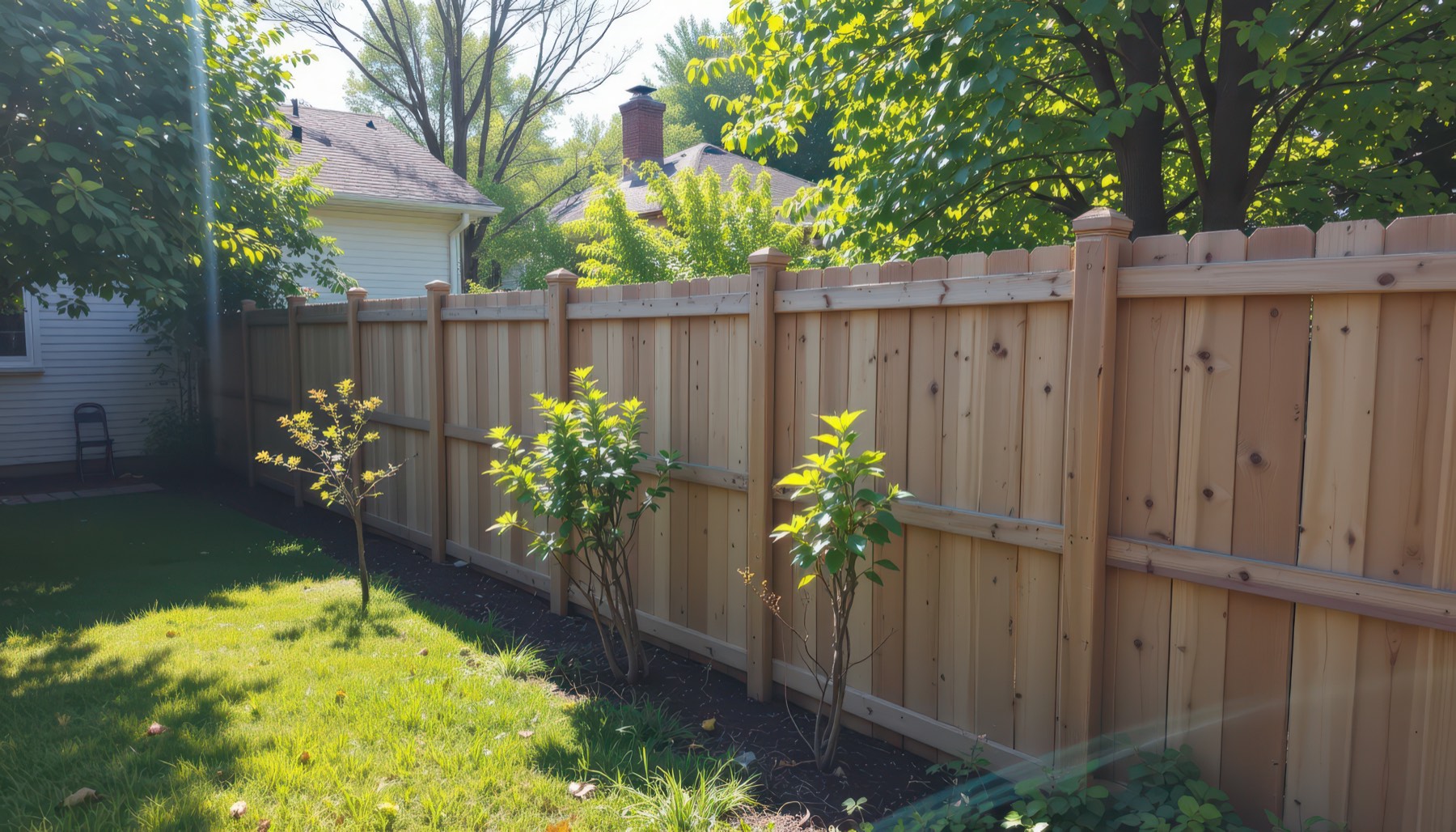

Spring checklist priorities
Spring is the best time to reset maintenance after winter moisture. Start with cleaning and a full visual review.
Key points
- Wash surfaces and remove algae buildup
- Check stairs, rails, and gates for movement
- Inspect post bases and connection points
Summer touch-ups that matter
Dry season is ideal for sealing, board replacement, and small repairs before wet conditions return.
Set a repeatable annual routine
Consistent maintenance extends lifespan and helps avoid high-cost emergency repairs.
Build a practical maintenance calendar
Homeowners get better results when maintenance is scheduled in advance instead of performed reactively. A calendar-based approach improves consistency and cost planning.
Link each task to typical Seattle weather windows so cleaning, sealing, and repair timing stays realistic year to year.
Key points
- Schedule two structural checks per year
- Reserve dry-season windows for sealing work
- Document recurring issue areas after each inspection
- Plan small repairs before rainy season intensifies
Typical spring maintenance budget ranges
Maintenance costs vary by project size and condition, but routine cleaning and minor repairs are usually far less expensive than delayed structural work.
Budgeting a predictable annual maintenance amount helps avoid emergency spending during wet seasons.
Case example: seasonal checklist that prevented major repairs
A homeowner using a structured spring checklist found early post movement and loose rail hardware before damage spread.
Small corrective work completed in dry weather prevented larger framing and gate issues later in the year.
Homeowner Checklist
Use this checklist before starting your project so scope, budget, and expectations stay clear from the beginning.
- Clean all horizontal surfaces before detailed inspection.
- Check rail, stair, and post stability after winter moisture.
- Inspect fasteners, connectors, and hardware for corrosion.
- Schedule sealing and targeted repairs during dry windows.
- Document recurring trouble areas to track year-over-year change.
- Set mid-season and pre-fall follow-up tasks in advance.
Local Notes
Seattle spring often reveals moisture effects from long damp seasons that were not obvious during winter use.
Dry windows can be short, so planning repair and sealing sequence early improves results.
Shaded zones and drainage corners should be inspected with extra attention each spring cycle.
When to Call a Professional
DIY can handle light upkeep, but these conditions usually benefit from professional assessment and structured repair planning.
- Spring inspection reveals structural movement in rails, stairs, or posts.
- Moisture-related symptoms persist in the same zones year after year.
- You find corrosion or deterioration in key connectors.
- Required repair scope exceeds routine homeowner maintenance.
- You need a multi-season maintenance and repair roadmap.
Frequently Asked Questions
Why is spring the best time for inspection?
It reveals winter moisture impact and leaves enough dry-season time for proactive repair and sealing.
What should I prioritize first each spring?
Safety-critical items: rail stability, stair condition, post integrity, and high-traffic surfaces.
Can I delay maintenance until summer?
You can delay some finish work, but structural checks should happen early to catch hidden moisture issues.
How detailed should my annual checklist be?
Detailed enough to track recurring issues, completed tasks, and pending repairs for future planning.
When should spring maintenance trigger professional help?
If inspection shows structural movement, widespread rot, or repeated failures from prior fixes.